
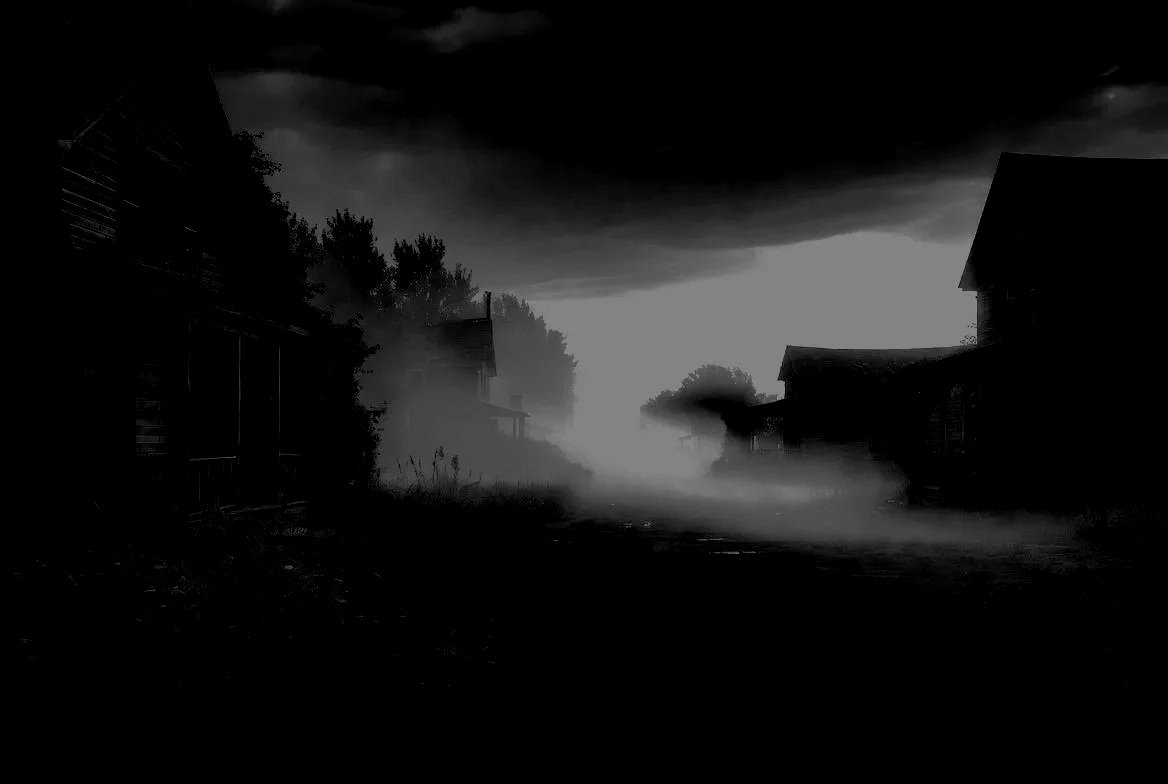
JN Adam Memorial Hospital
The first thing you notice isn’t the building… it’s the silence.
In 1909, Buffalo Mayor and department store owner James Noble Adam set out to build something meaningful, a hospital dedicated to treating tuberculosis. Using his own money, he purchased the land and commissioned architect John Hopper Coxhead to design the facility.
The result was a vast hospital complex, completed in 1912, set high on a hill and surrounded by 500 acres of forest. It was owned and operated by the City of Buffalo and quickly became a place built on hope, recovery, and isolation.
By 1960, the hospital’s purpose shifted. It was handed over to the State of New York and repurposed as a center for developmental disabilities. Decades passed, but by 1995, that chapter too had come to an end. The buildings were closed, the grounds left behind and the hospital was abandoned.
As avid urban explorers, we’re always looking for new places to experience, and this had been on my list for a long time. We were heading back from New York when I realized we were close enough to finally make it happen, an opportunity we don’t get very often.
The first time I saw this place, I knew I wanted to experience it for myself... and it was everything I'd hoped it would be.
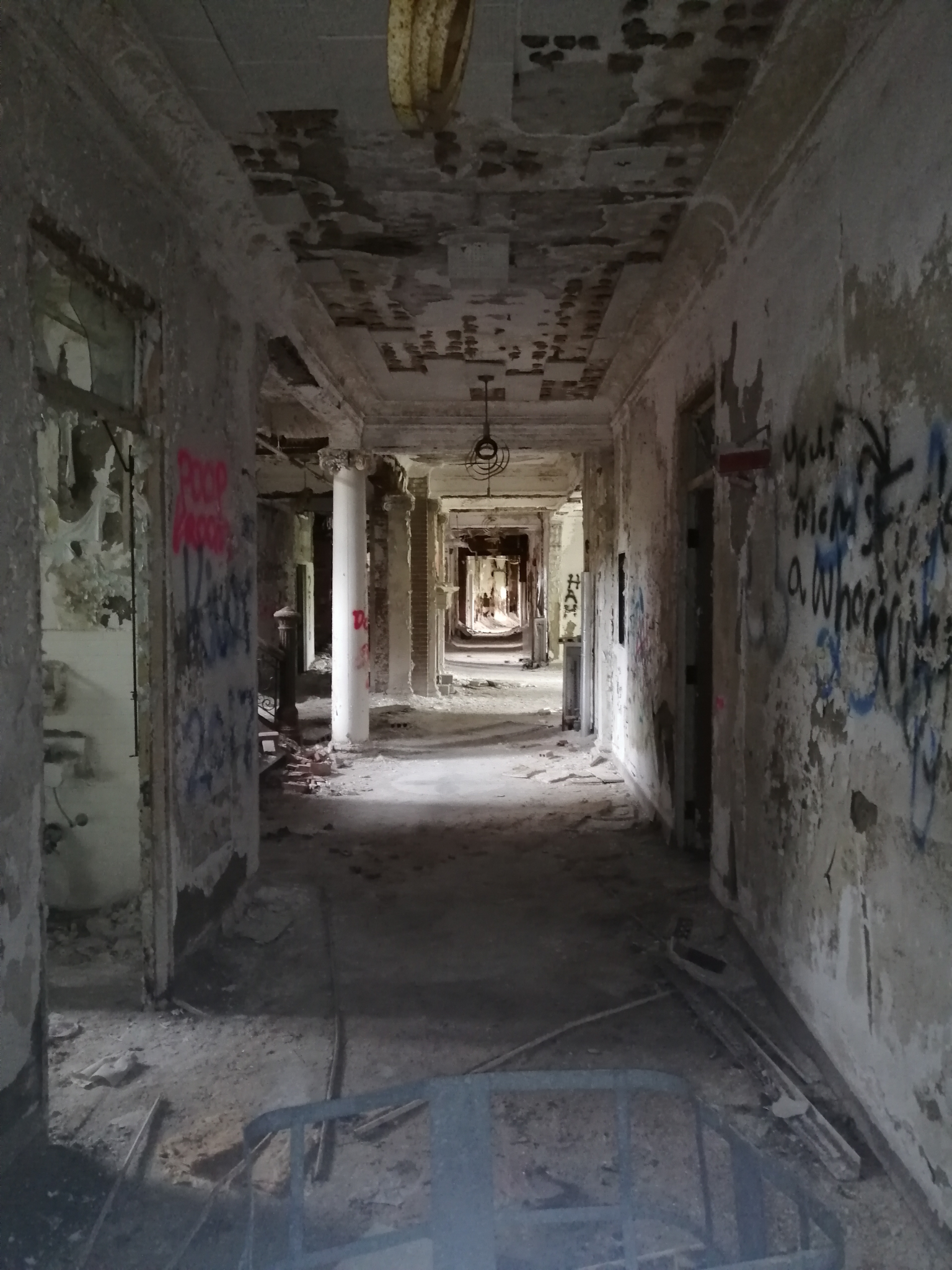
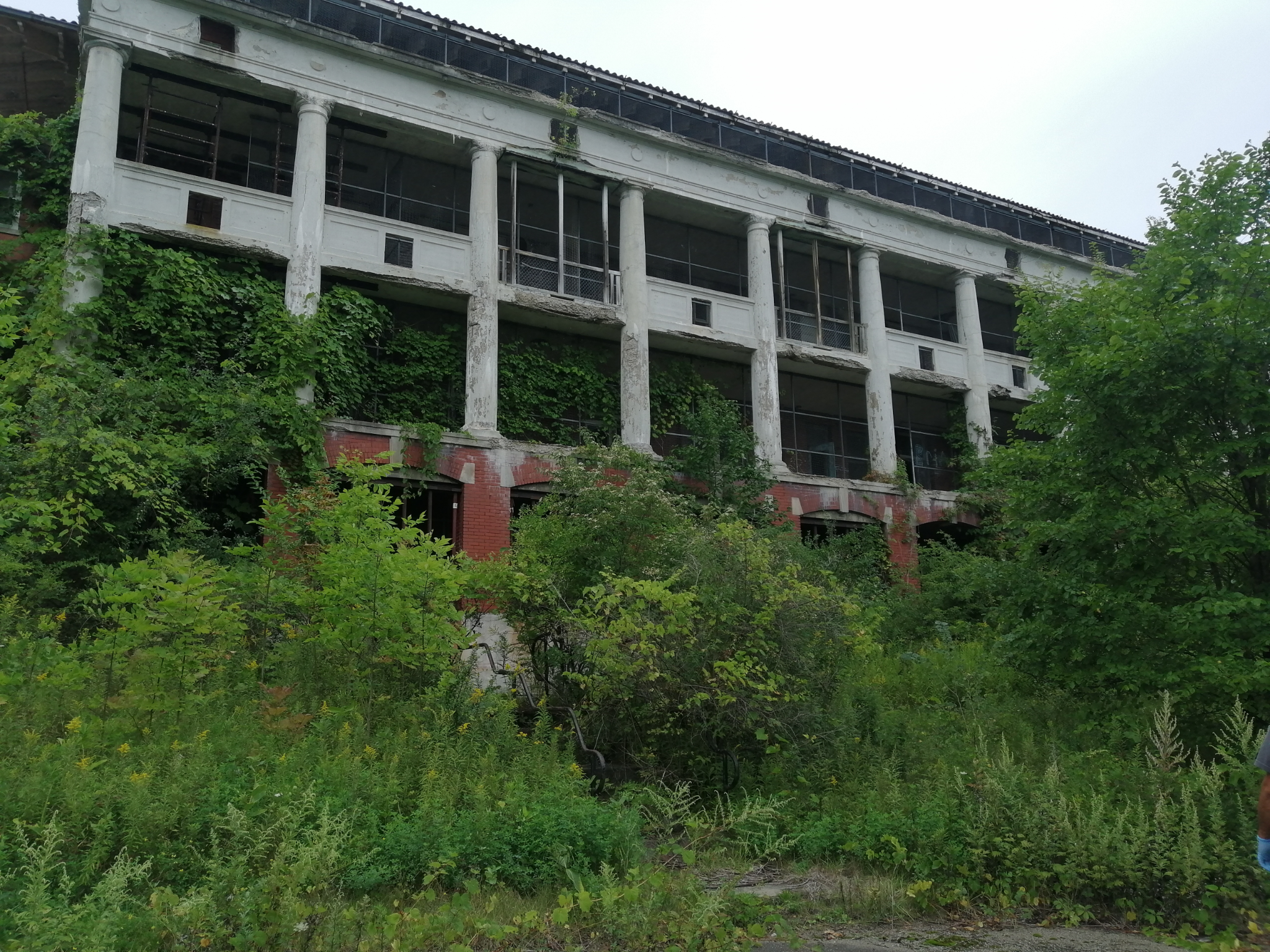
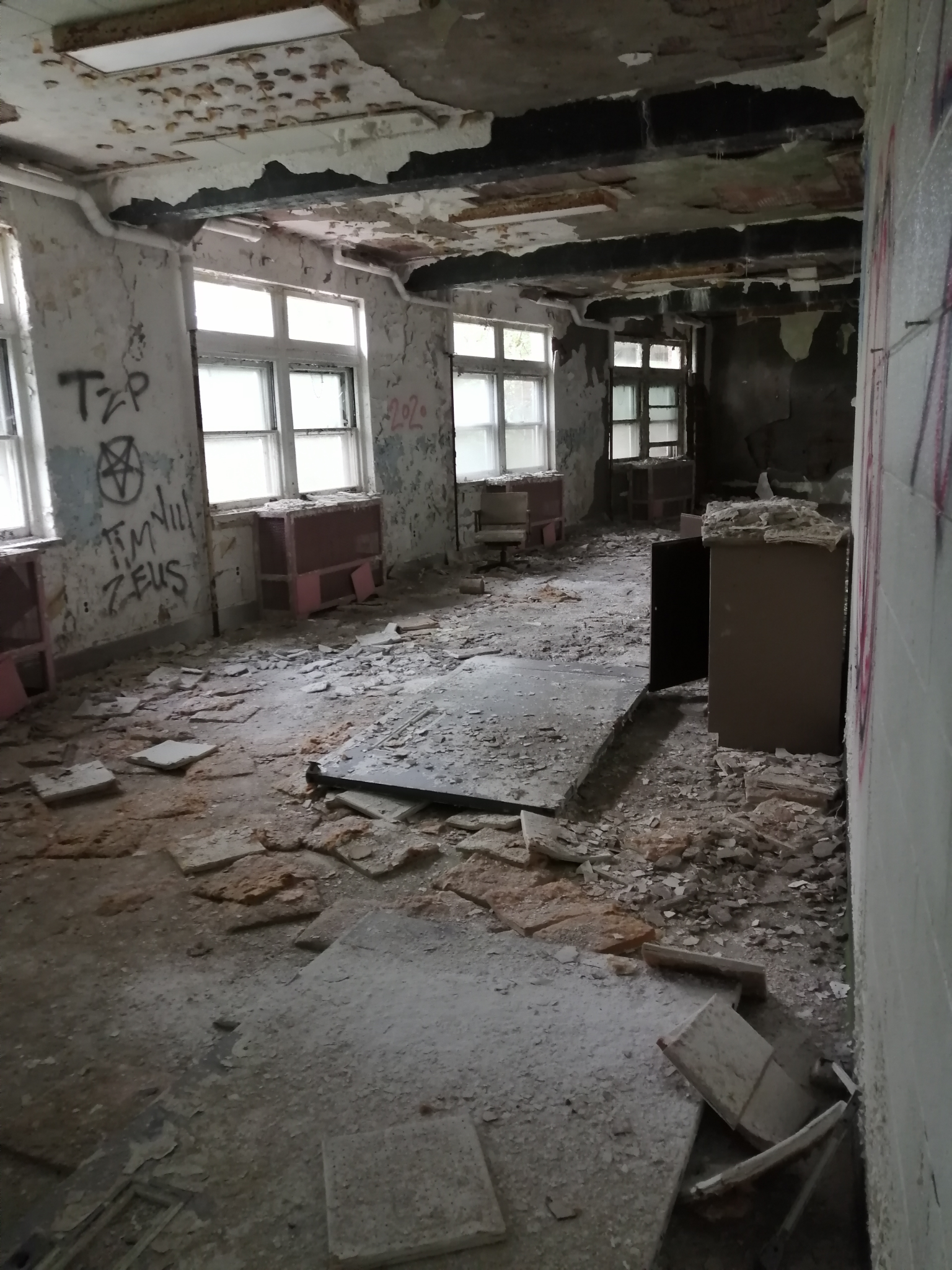
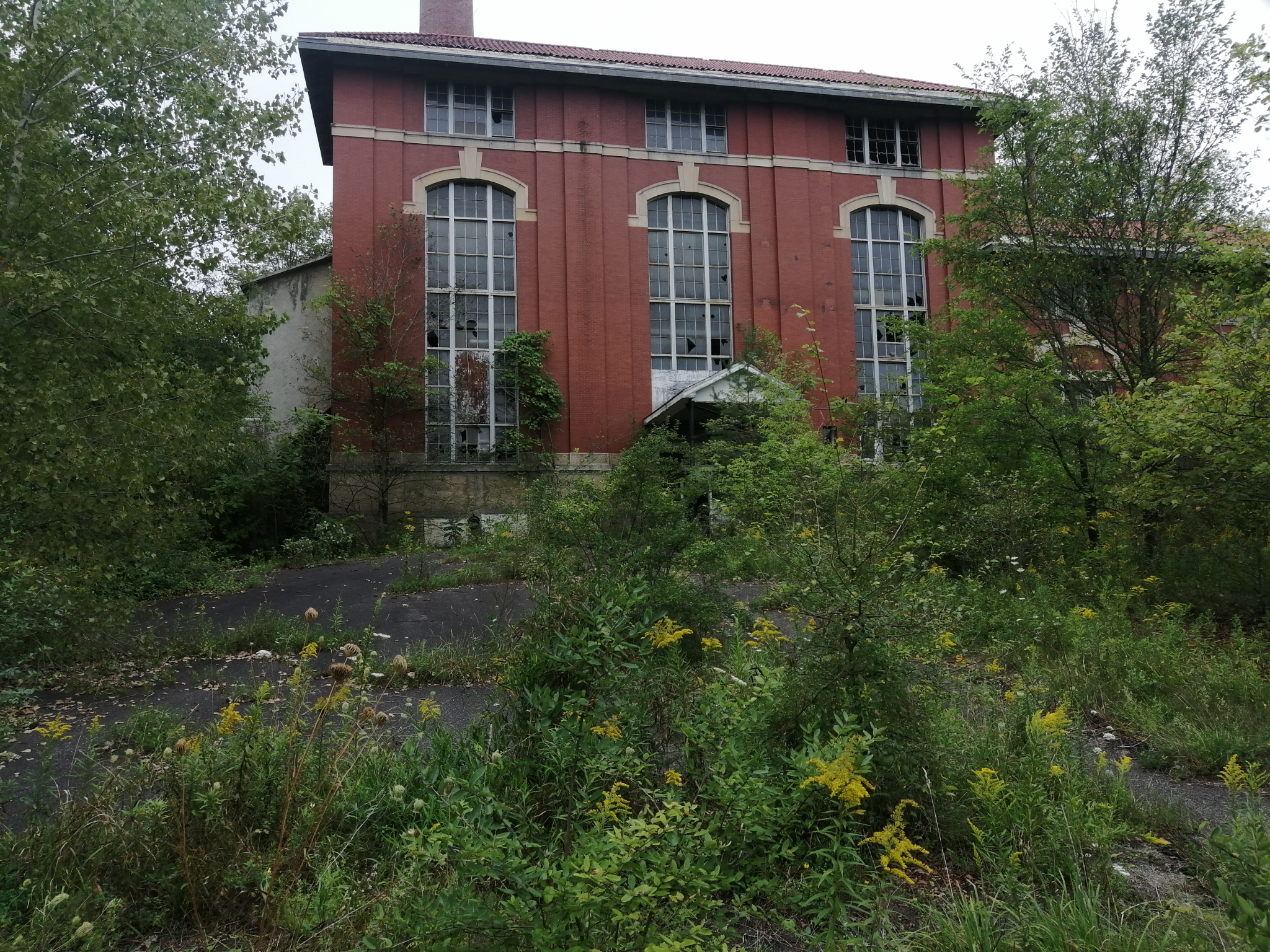
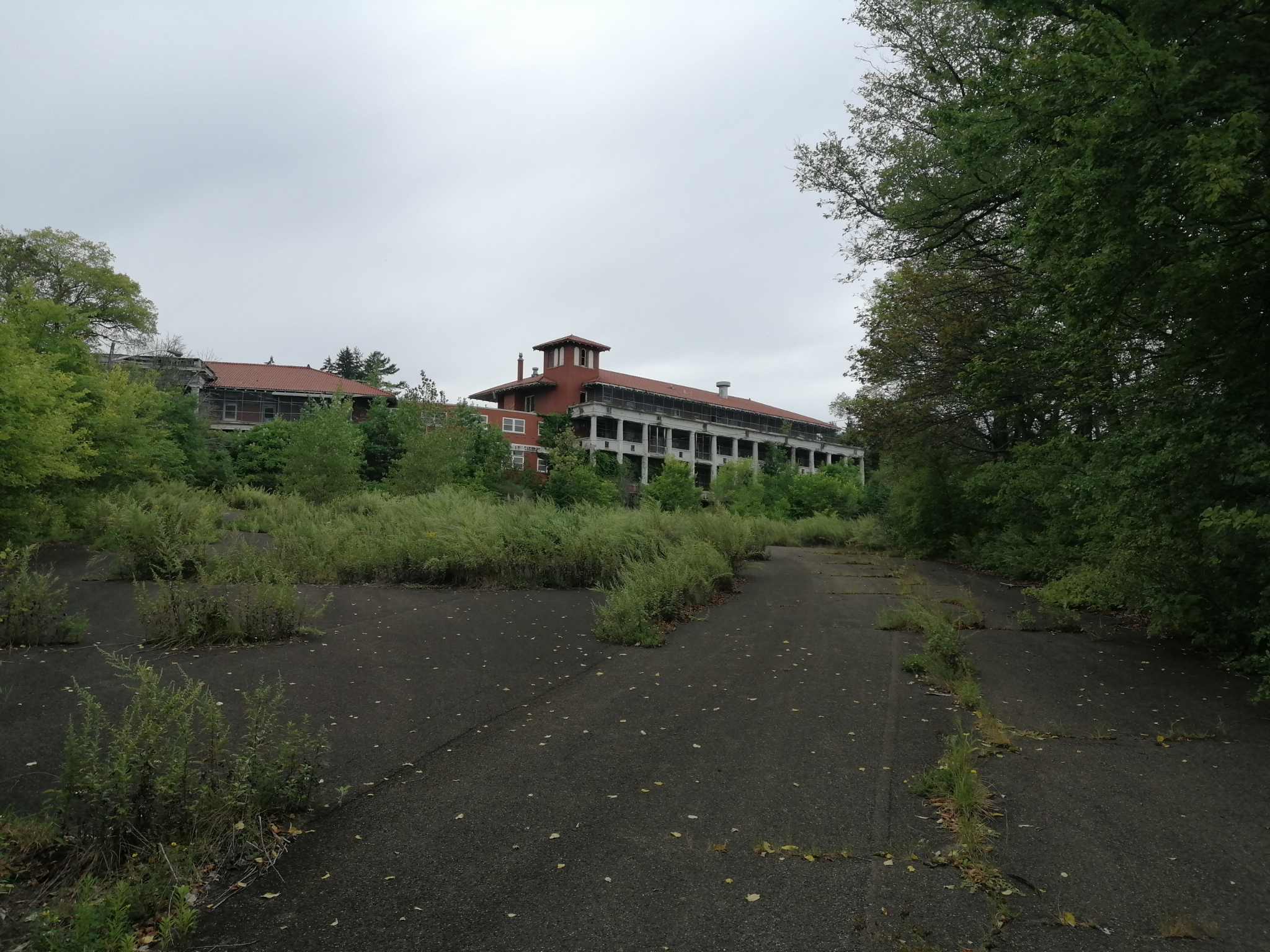
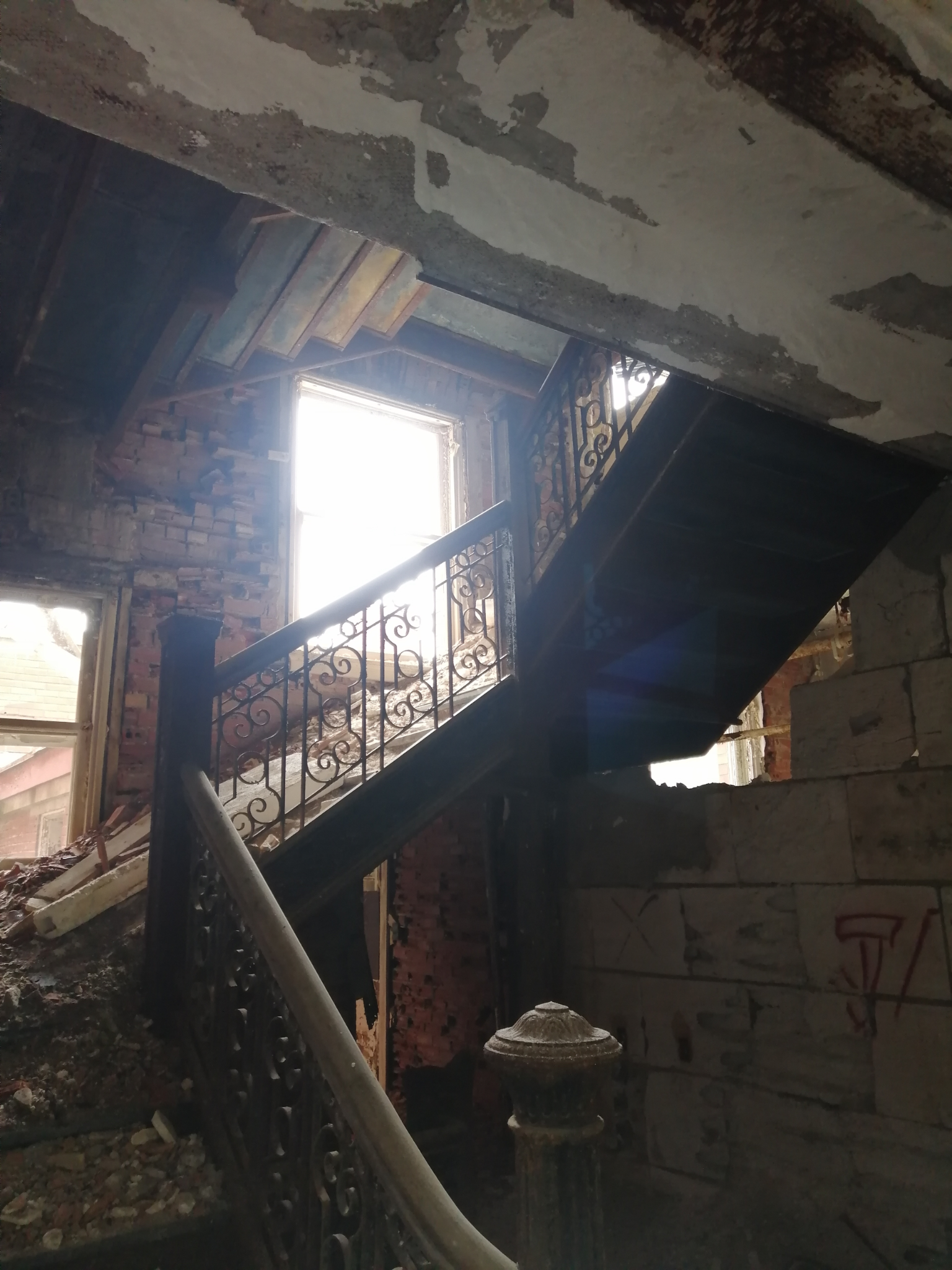
The pillar on the left is the first thing you see as you step into the main entryway.
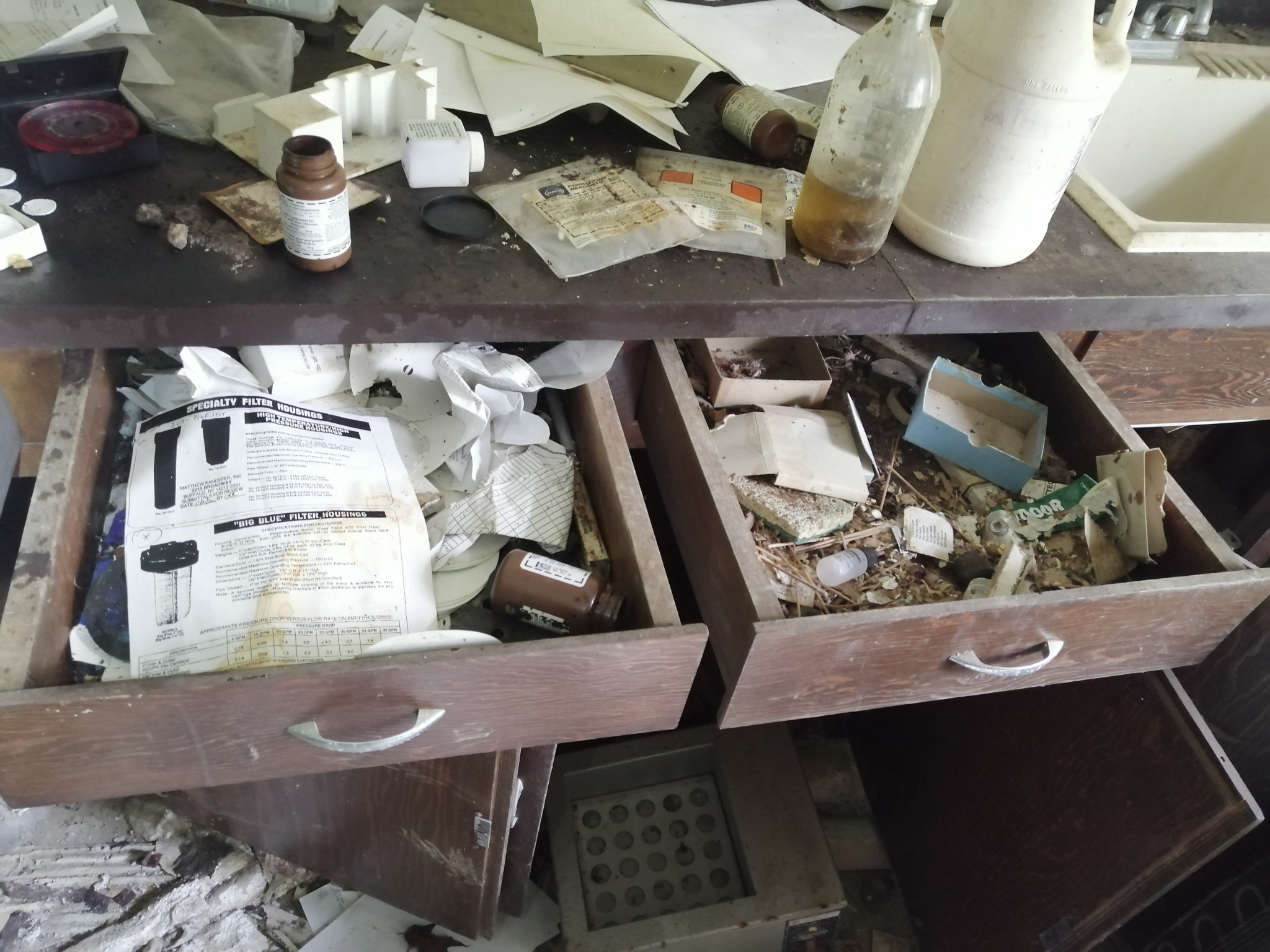
It was eerily quiet, the kind of silence that feels heavy. There was a smell too, something I couldn’t quite place but similar to chemicals mixed with dampness that had settled into the walls over time.
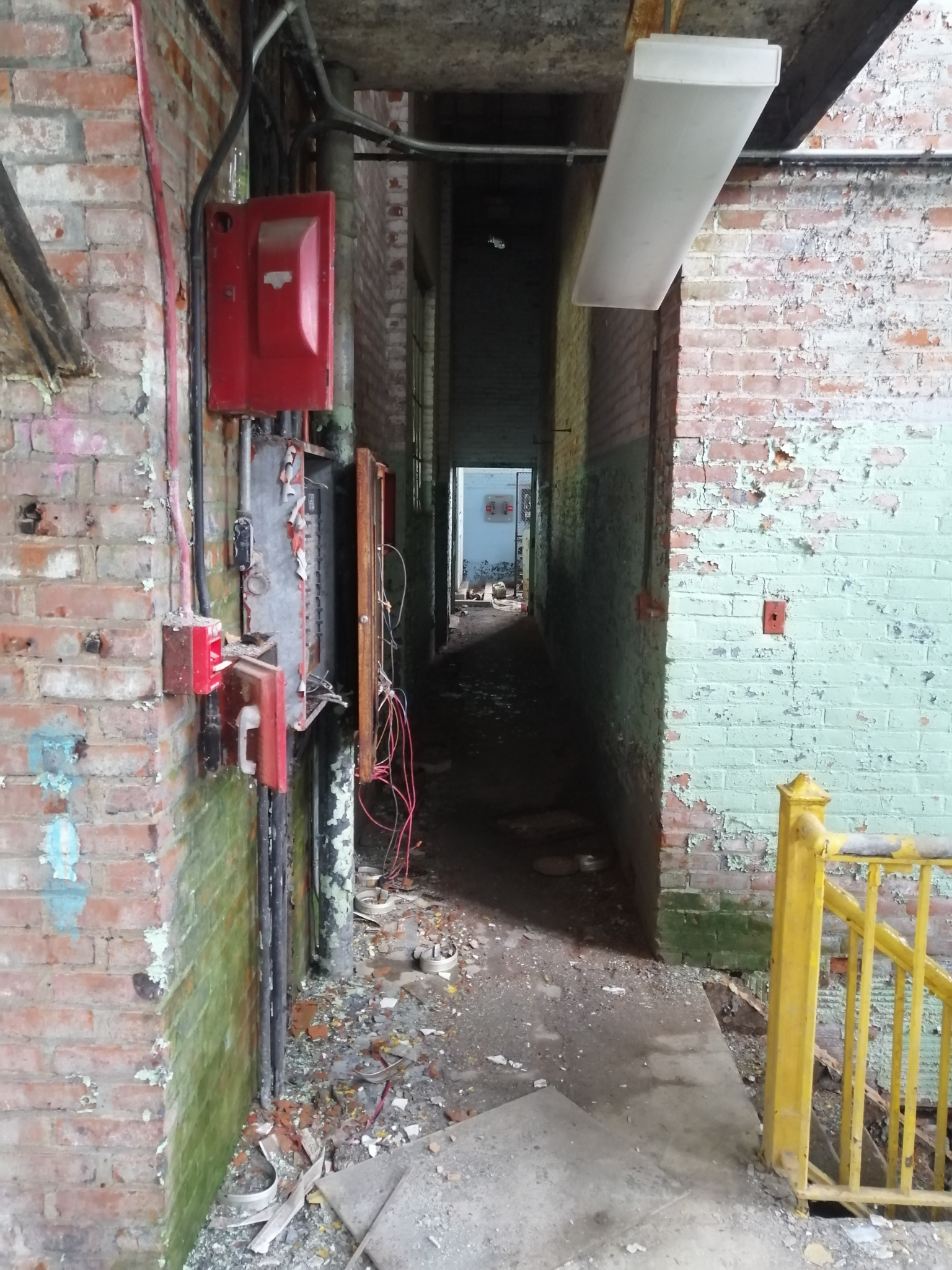
Further down this hallway, we had a small encounter that neither of us expected. My husband stepped into one of the rooms so I could take this photo, but came straight back out, visibly shaken. He said something had pinched him, sharp enough to make him jump, followed by a hiss telling him to leave.
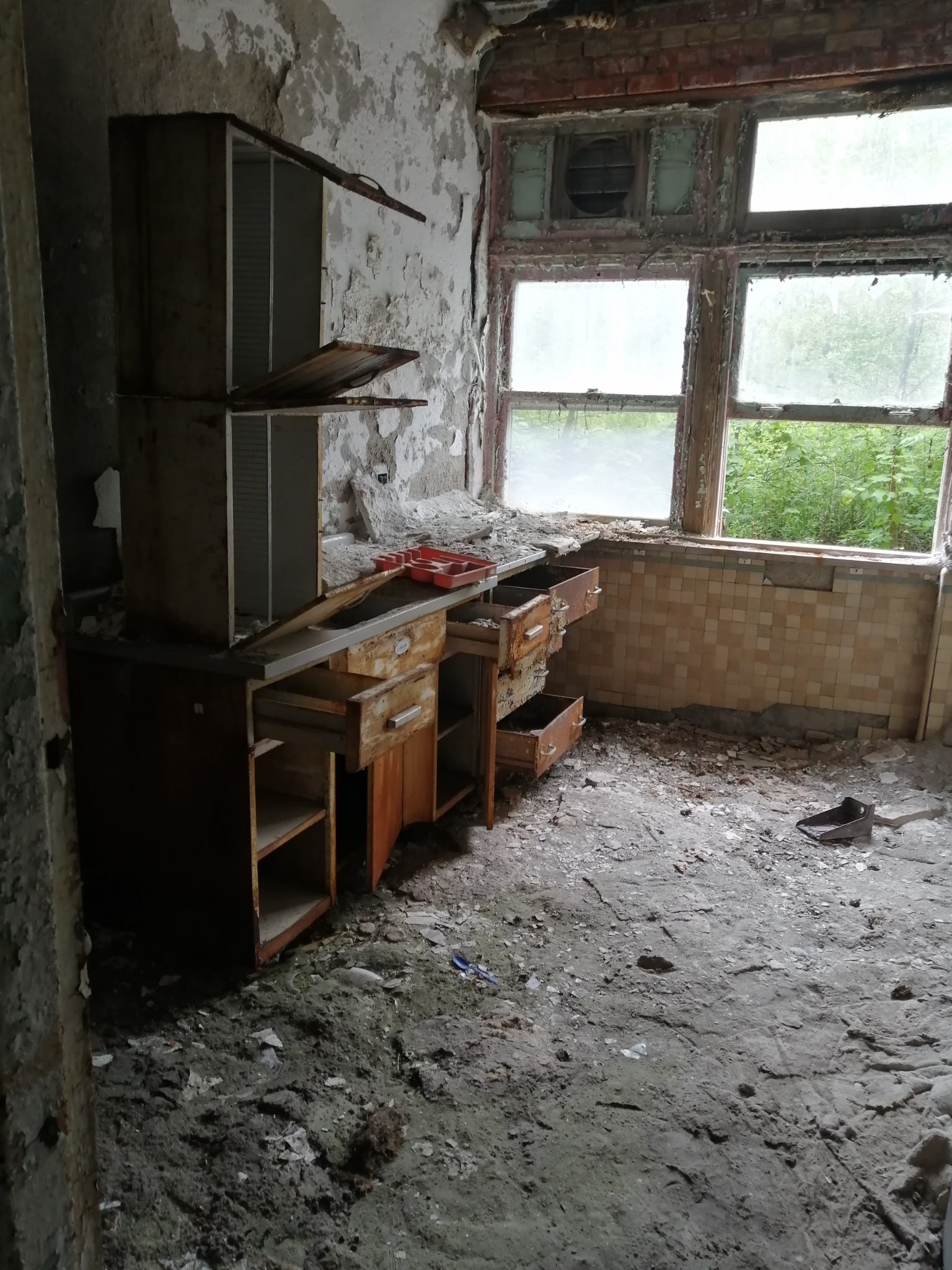
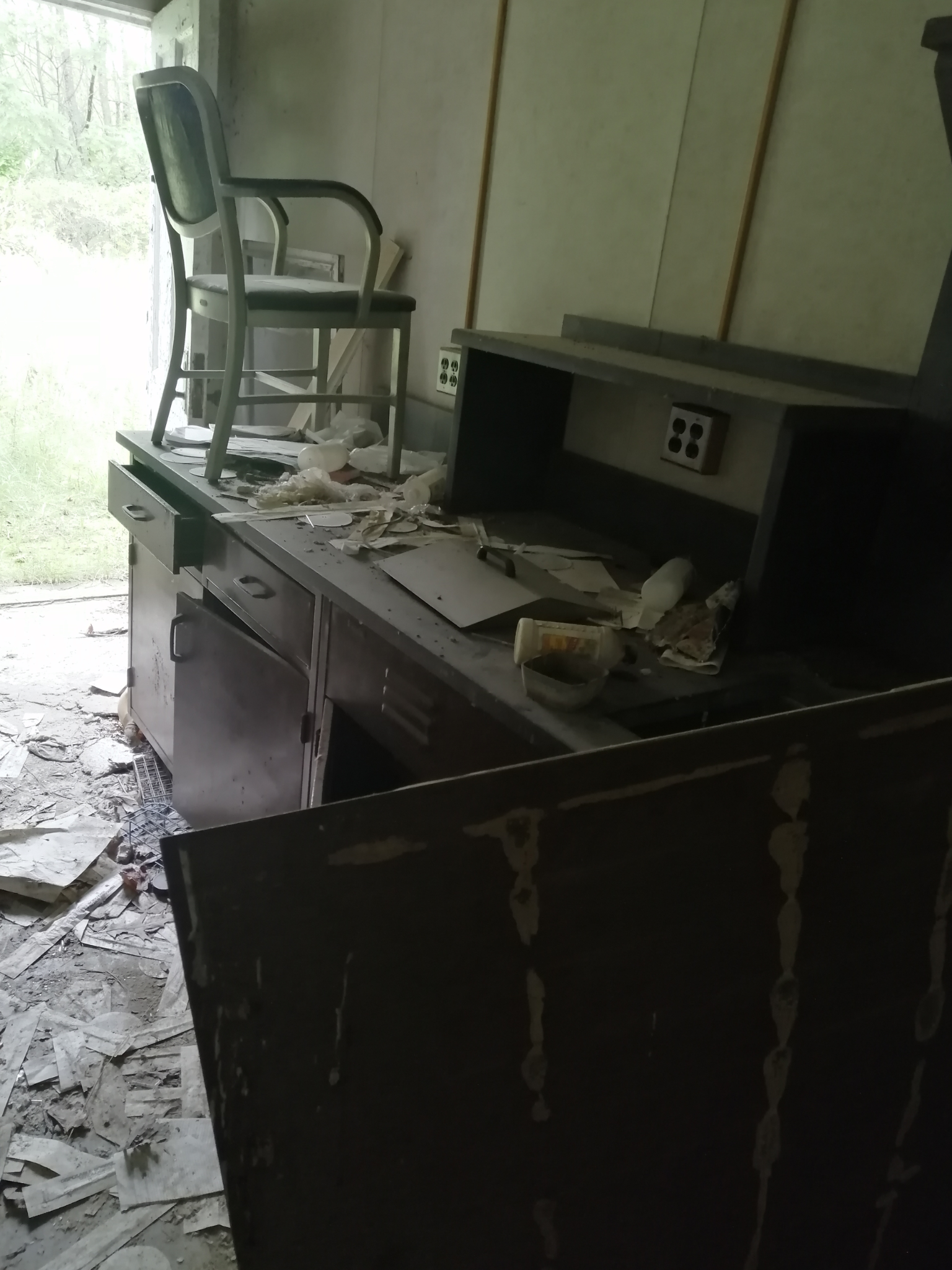
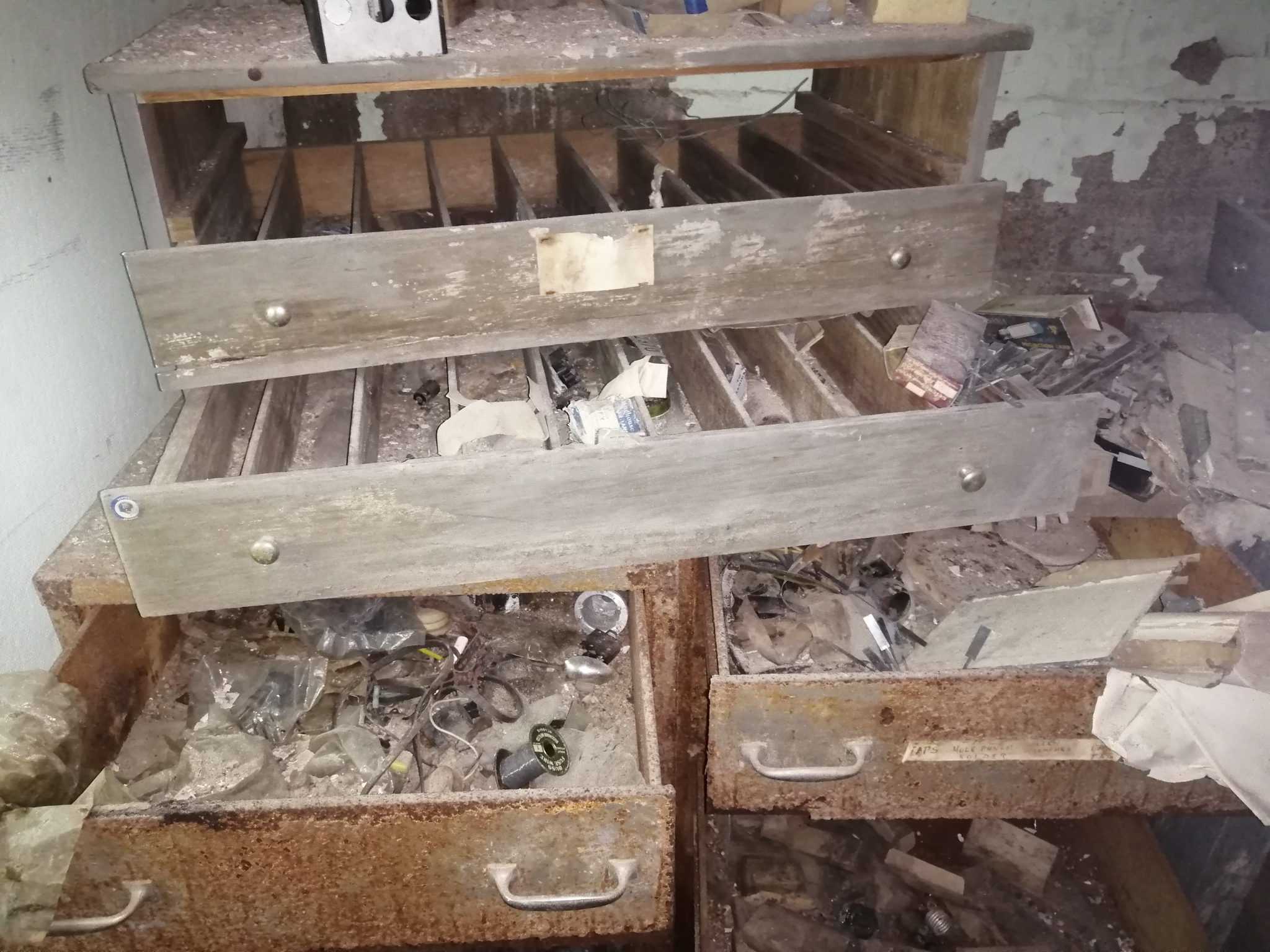
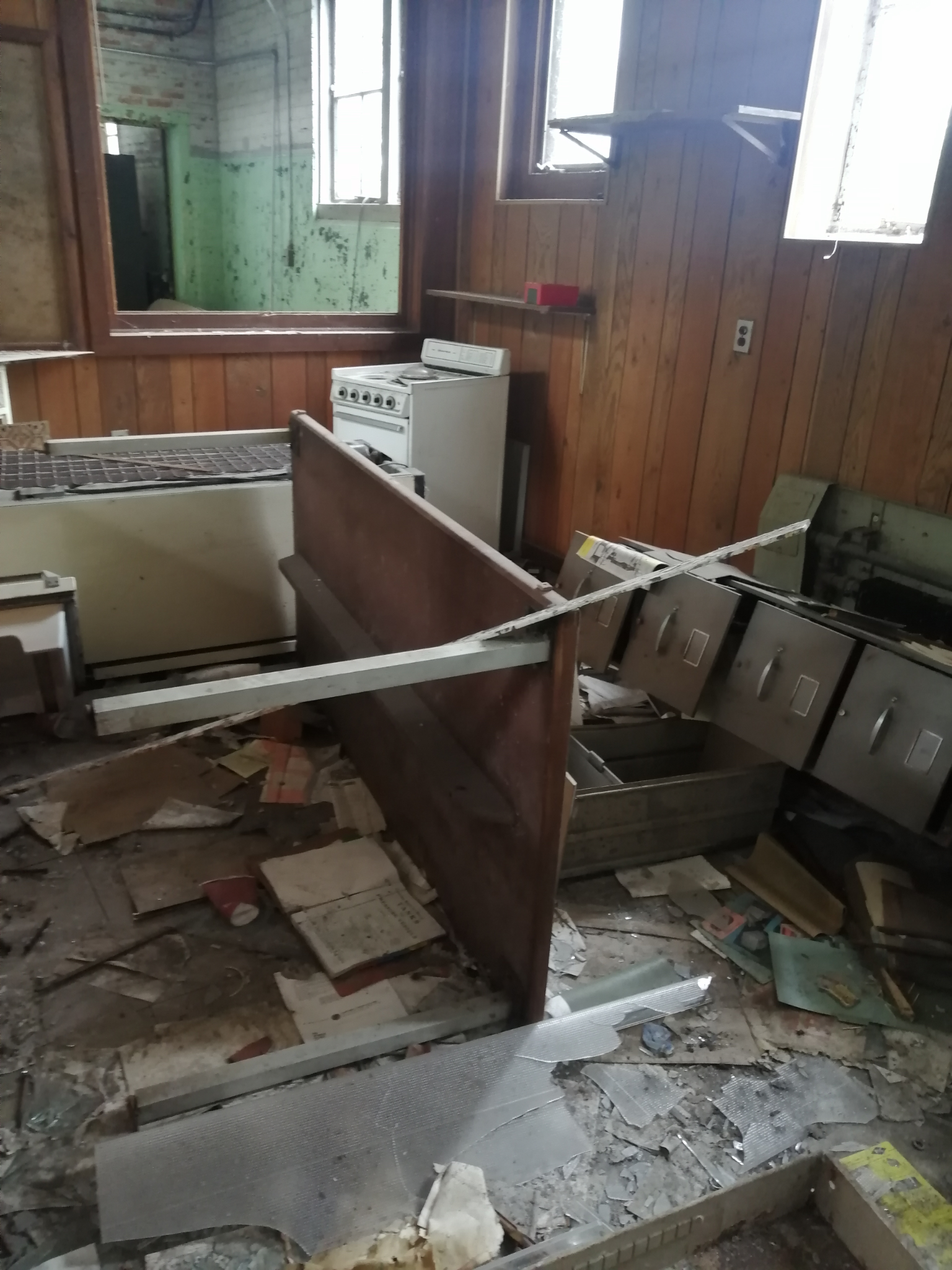
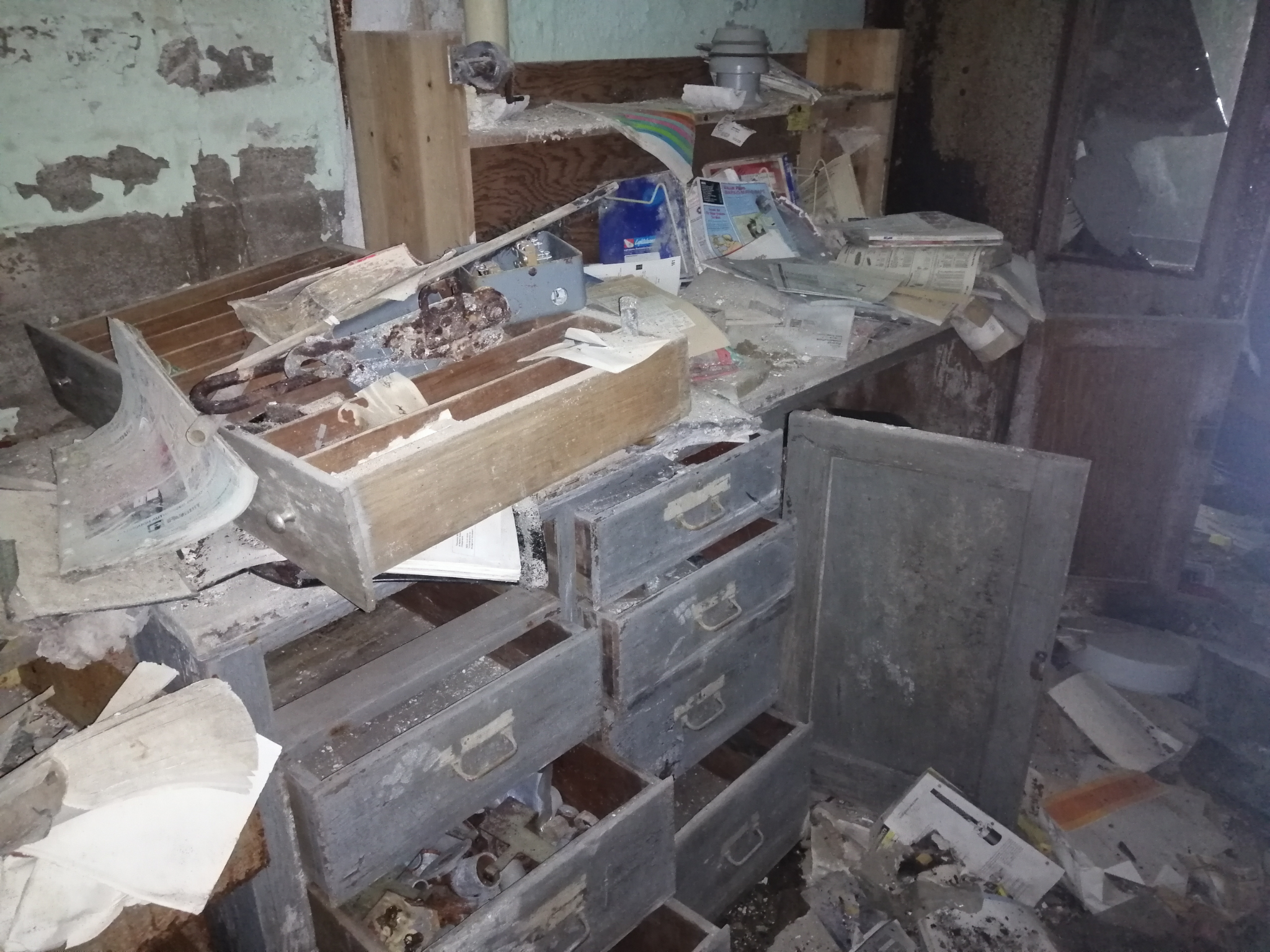
This was one of the patient rooms. In the corner sat a lone chair, alongside what we assumed was an old dresser. There isn’t much left now, but it serves as a quiet reminder that someone once lived their life within these walls.
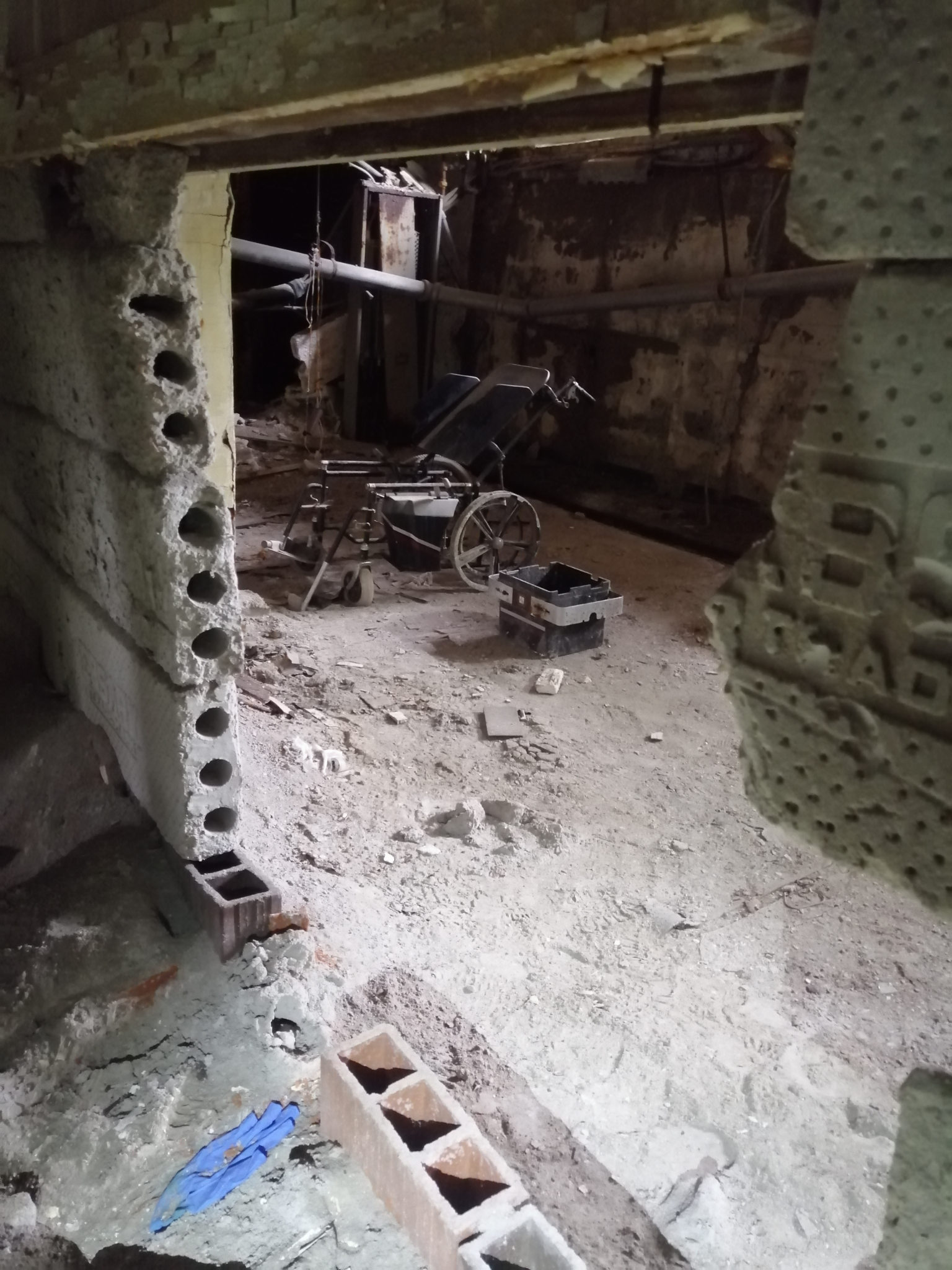
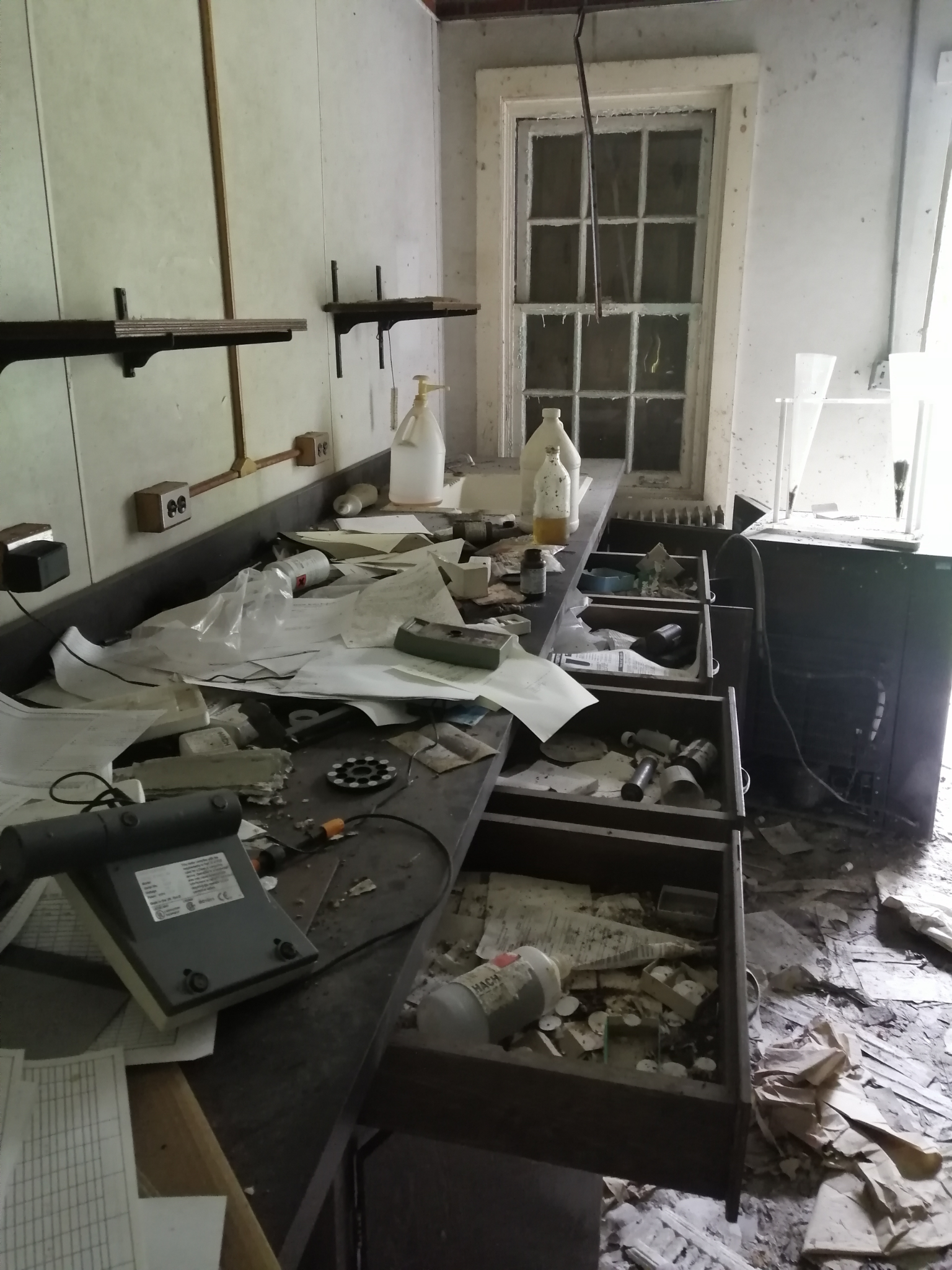
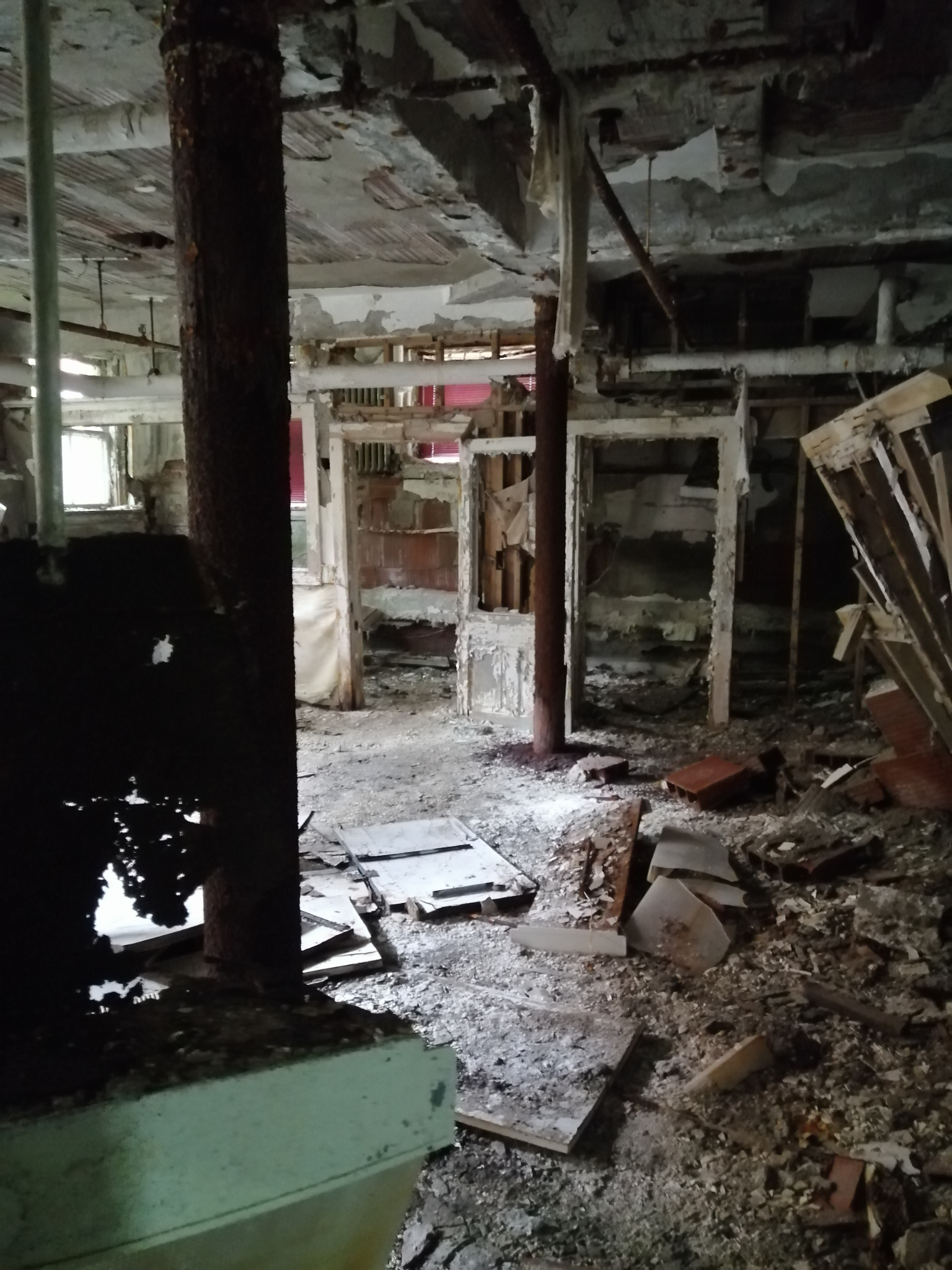
This was one of the rooms in the lower levels.
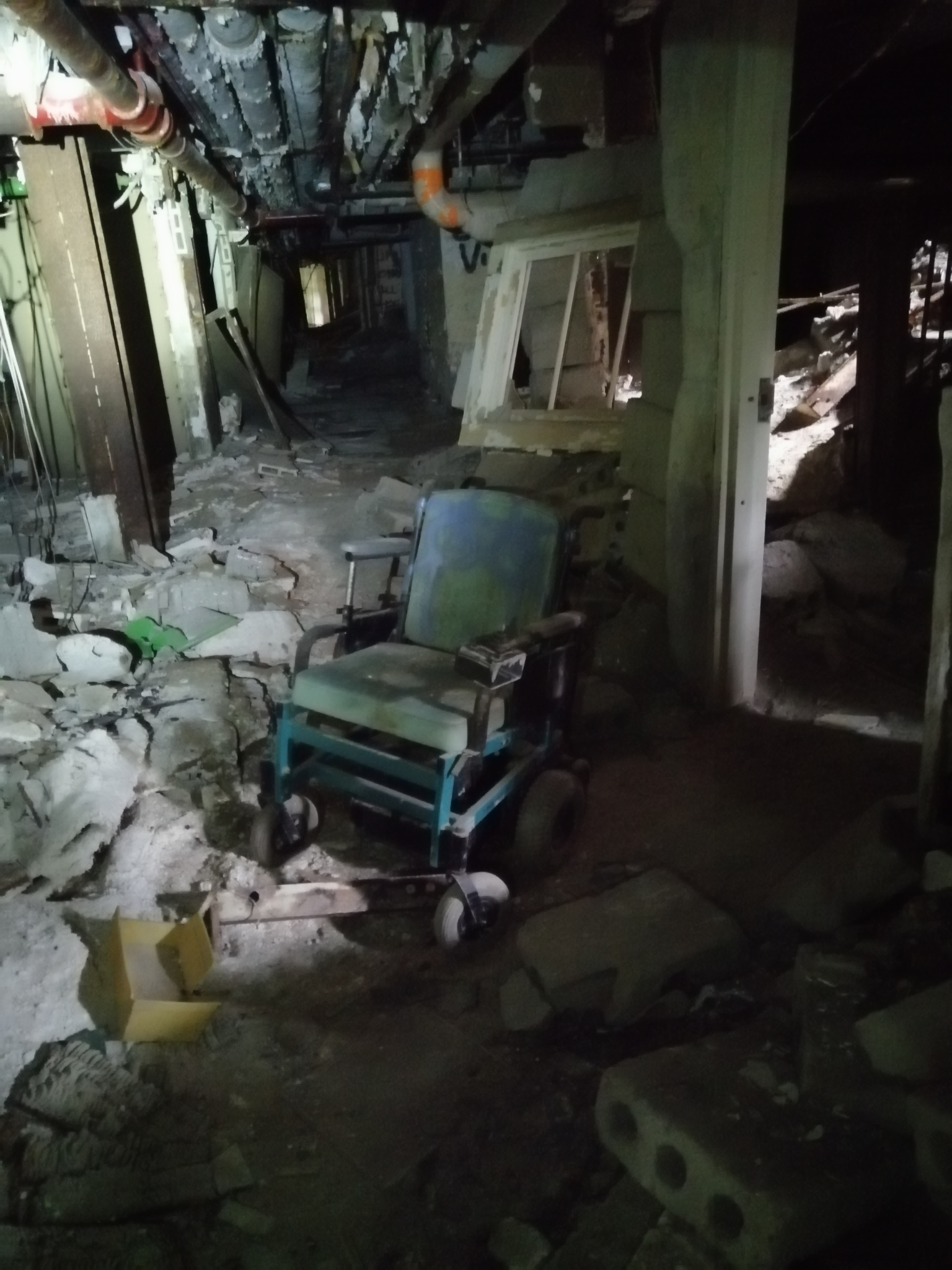
Wheelchairs were scattered throughout, but this one caught my attention, not because of how it looked, but because of how it felt. I had the distinct impression we weren’t alone.
At one point, something brushed lightly against my hair. When I turned, this was the first thing I saw.
Walking through this level, it felt like many of the patients had once been kept down here... the rooms quieter, heavier, as if they still held onto something that hadn’t quite left.
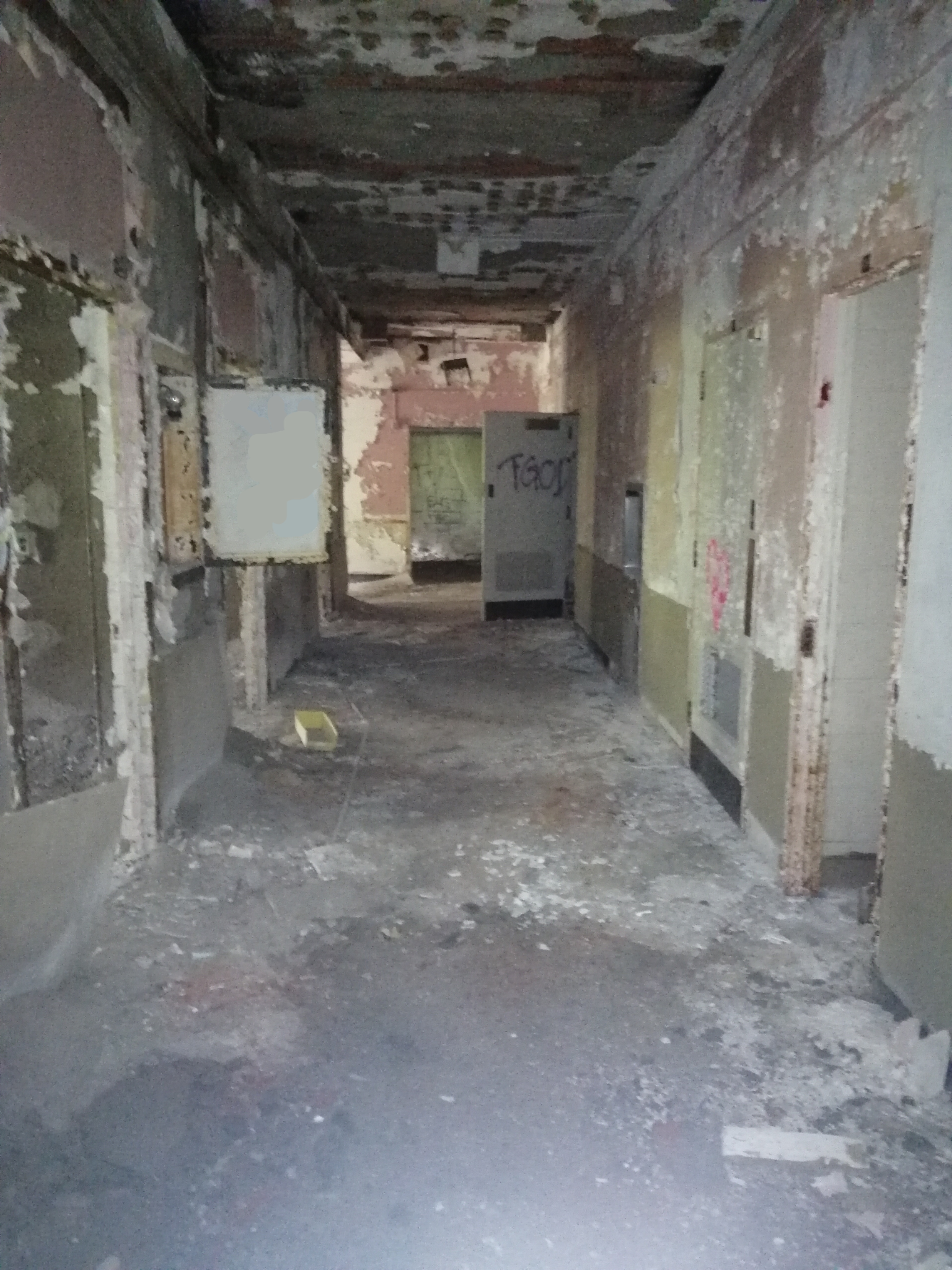
First Floor Corridor.
The building had three levels, and aside from the lower floor, most of the corridors followed this same layout. Some were more damaged than others, but overall they shared the same dull, repetitive design.
Surprisingly, though, there was something peaceful about walking through them.
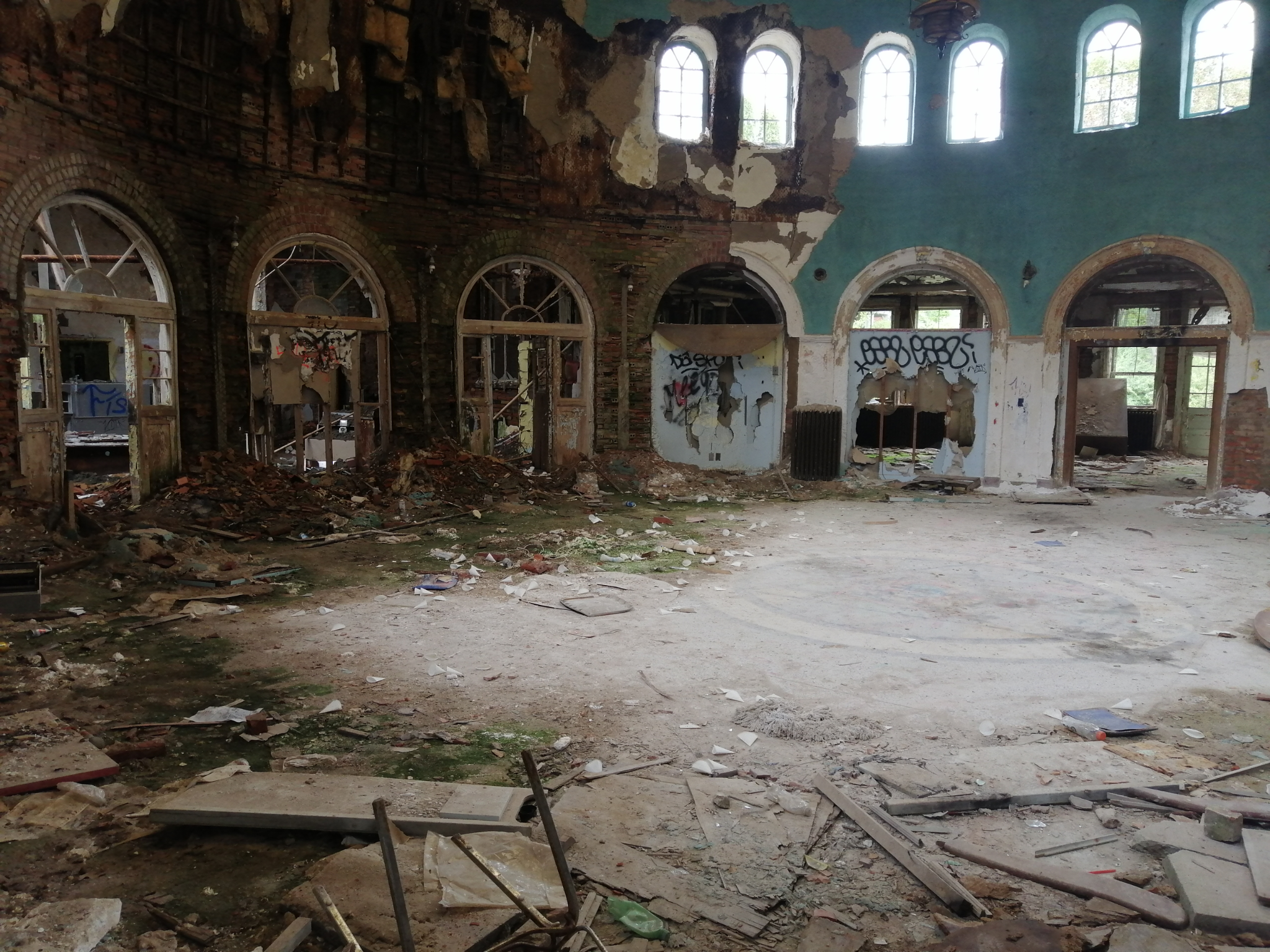
Main room on the main floor.
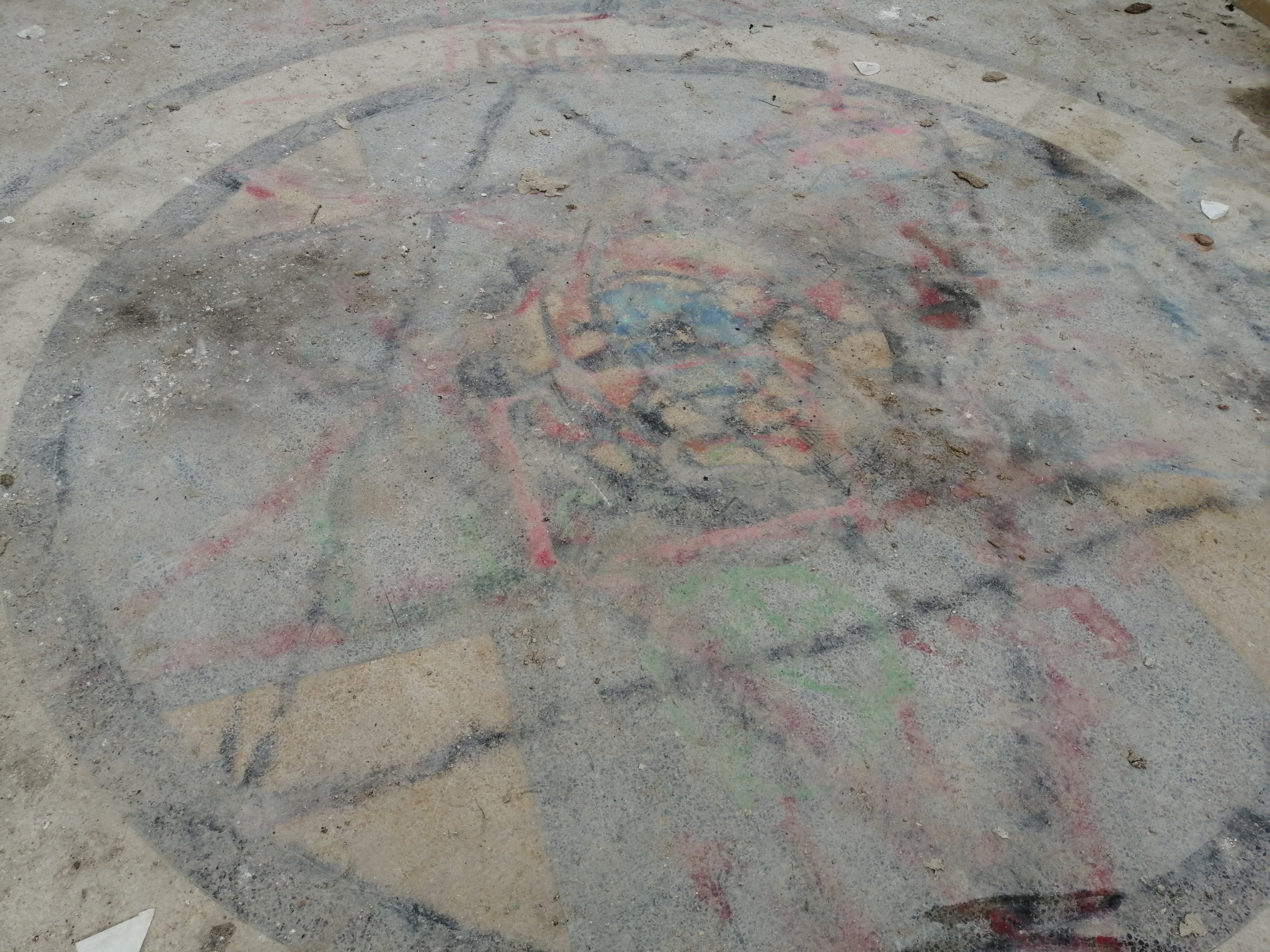
What I presume was once a beautiful mural on the floor has now been turned into something much darker. The colors that remain hint at what it used to be, but time and people, have taken their toll.
It’s a shame when something that was once part of history is damaged like this. Not everything here was lost to time… some of it was taken.
Standing there, you can’t help but imagine what it must have looked like before when it was cared for, when it meant something, before it was left to fade into what it is now.
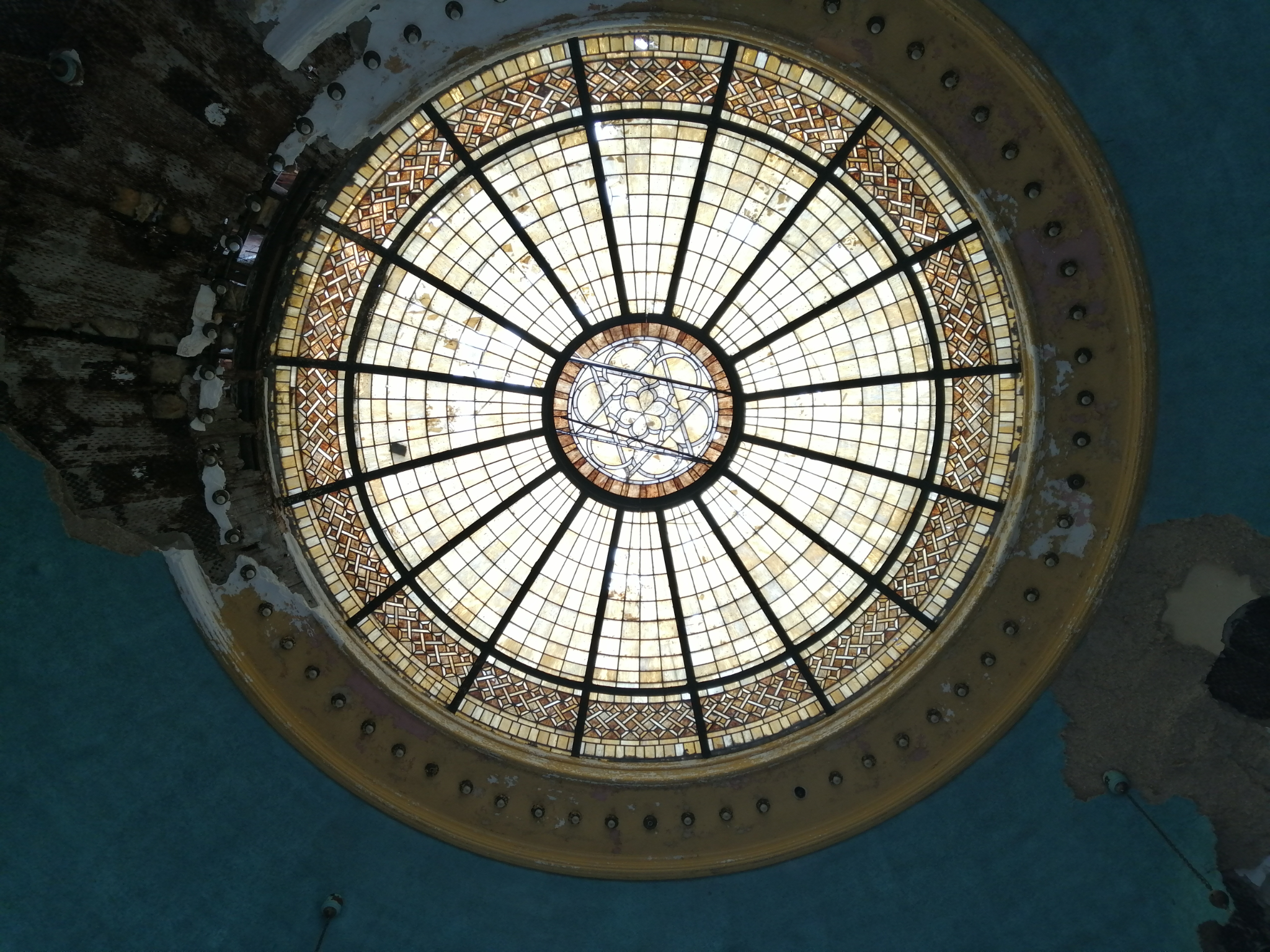
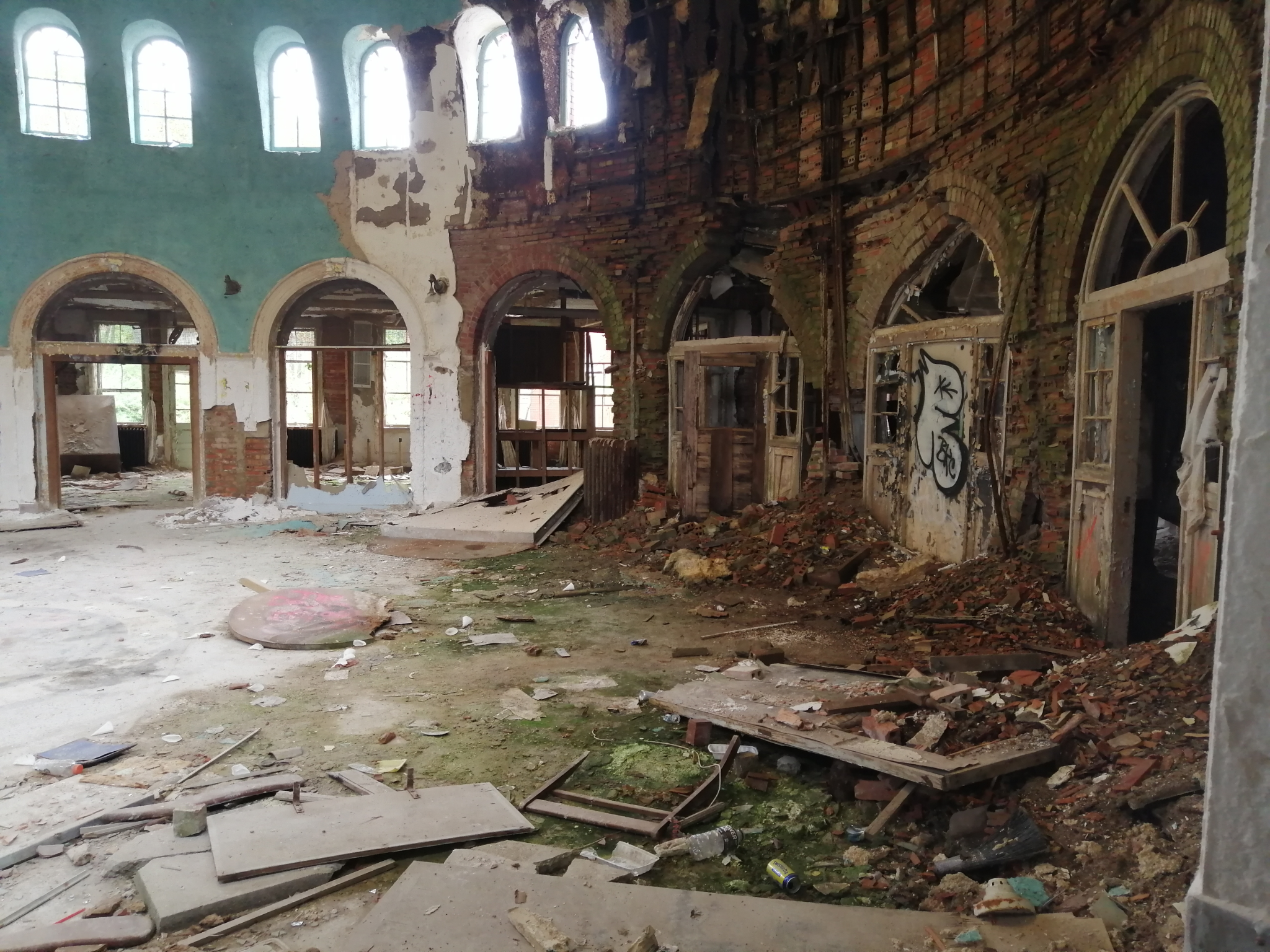
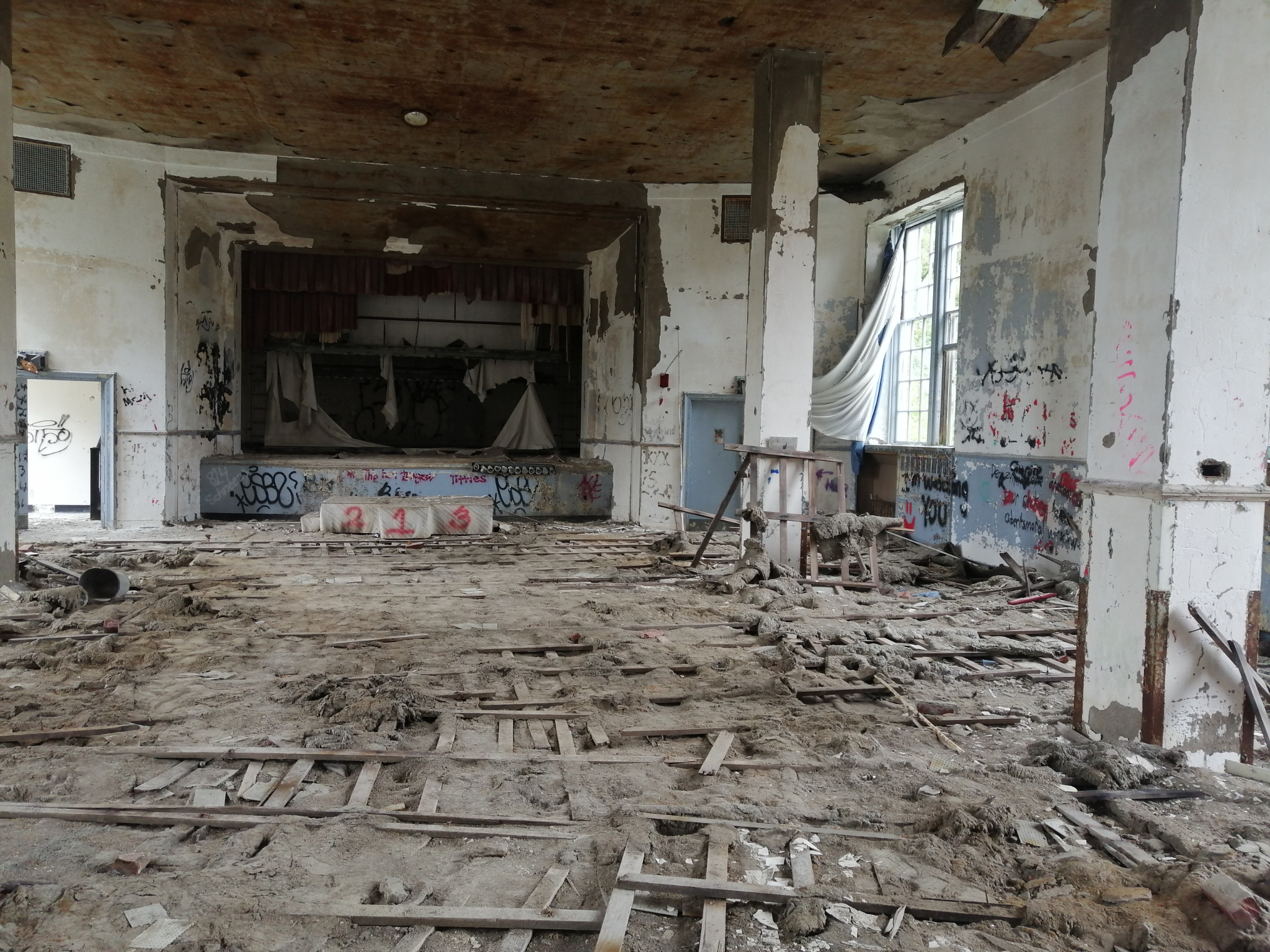
The main room was one of the standout parts of the building.
At its center sat a beautiful stained glass feature, surrounded by a wide, circular space that once felt full of life. The design on the floor only adds to the room’s character, hinting at the care and detail that went into creating it.
It’s easy to imagine this as a kind of great hall. A place where people gathered, where voices echoed, and where something was always happening.
Now it sits in silence, a quiet reminder of what it once was, holding onto traces of a time that hasn’t quite faded away.
Walking through JN Adams Memorial Hospital, it’s hard not to feel the weight of what this place once was.
Every room, every corridor, and every small detail left behind tells part of a story, one that hasn’t completely disappeared, just faded over time.
Places like this aren’t just abandoned buildings. They’re reminders of lives that passed through, moments that mattered, and time that moved on without them.
As we left, the silence followed us out, lingering just enough to remind us that some places never truly let go.
Urban Exploration Disclaimer
The location featured in this article was photographed during a previous exploration and is shared for its history, architecture, and the stories it tells—not as an invitation to visit.
I do not encourage trespassing or attempting to locate abandoned properties without permission. Many sites are privately owned, structurally unsafe, environmentally hazardous, or protected by law.
If you choose to explore historic or abandoned places, always:
Obtain permission from the property owner.
Follow all local laws and regulations.
Respect the location by leaving it exactly as you found it.
Never remove artifacts, disturb the site, or damage property.
Put your safety first.
Take nothing but photographs. Leave nothing but footprints.