8 Unconventional Hobbies That Boost Mental Health
Unusual hobbies can be powerful tools for improving mental wellbeing, offering creative outlets, relaxation, and new ways to explore personal interests.
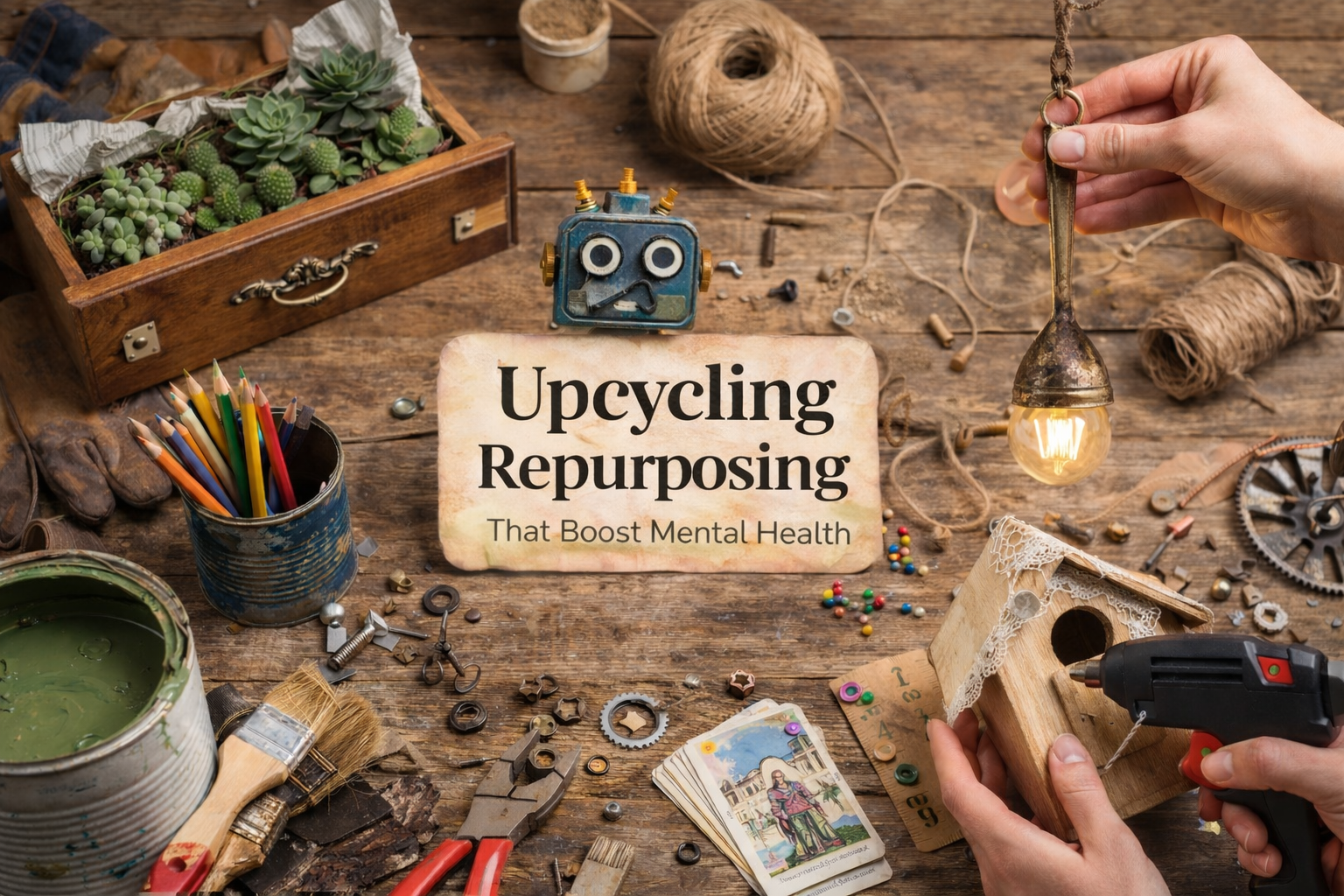
Upcycling and junk repurposing turn discarded items into creative projects, offering a satisfying hobby that encourages creativity, problem-solving, and relaxation.

People watching with a creative twist—observing strangers and imagining the stories behind their lives can spark unexpected ideas and inspiration.

Dancing alone to a weird playlist can be a surprisingly powerful way to lift your mood, release stress, and enjoy a moment of carefree creativity.

Natural dyeing with kitchen scraps transforms everyday food waste into beautiful colors, turning sustainability and creativity into a rewarding hobby.
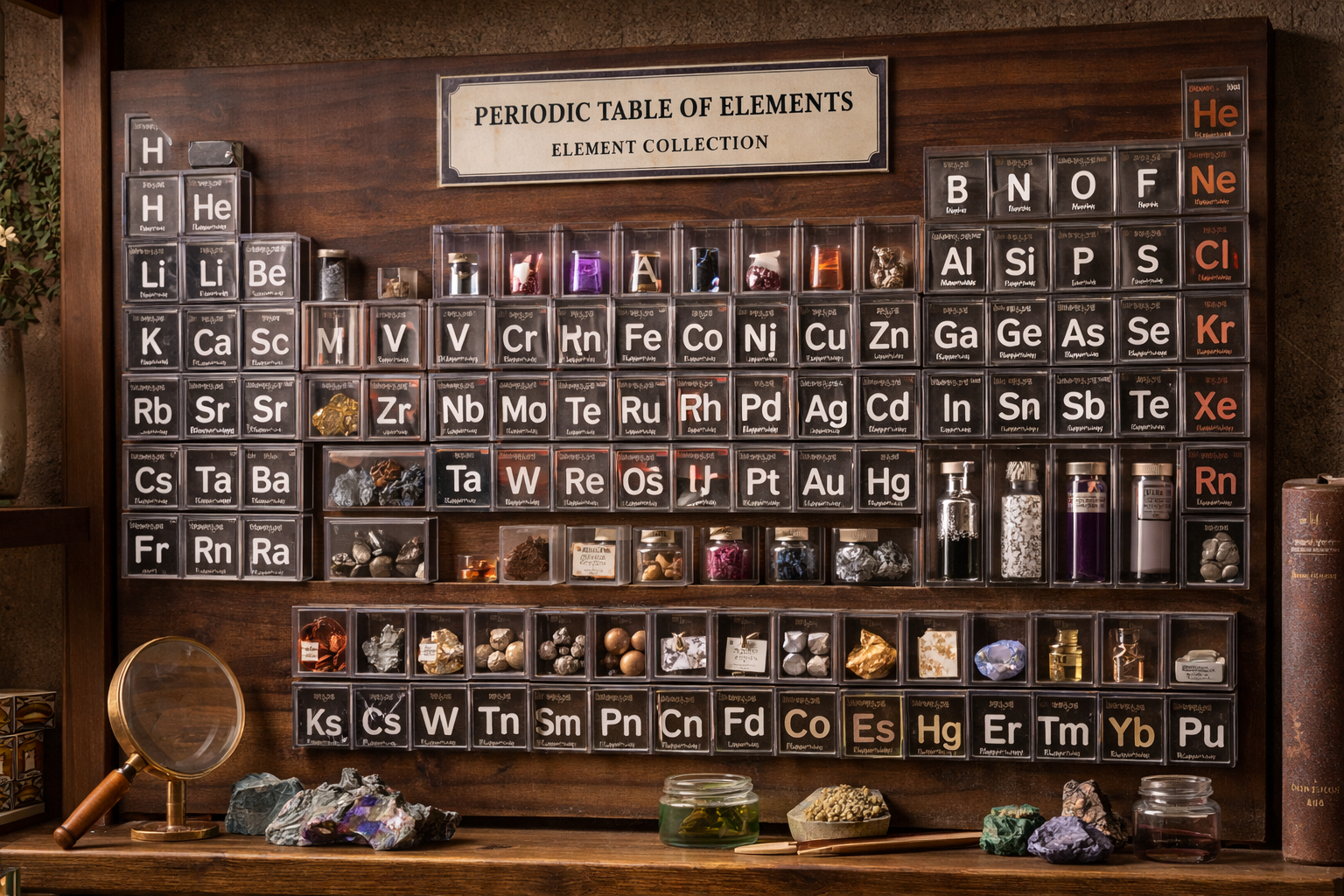
Element collecting turns the periodic table into a hands-on hobby, where chemistry enthusiasts gather and display real samples of the elements.

Toy voyaging turns stuffed toys into tiny travelers, photographing their “adventures” around the world as a playful and imaginative hobby.
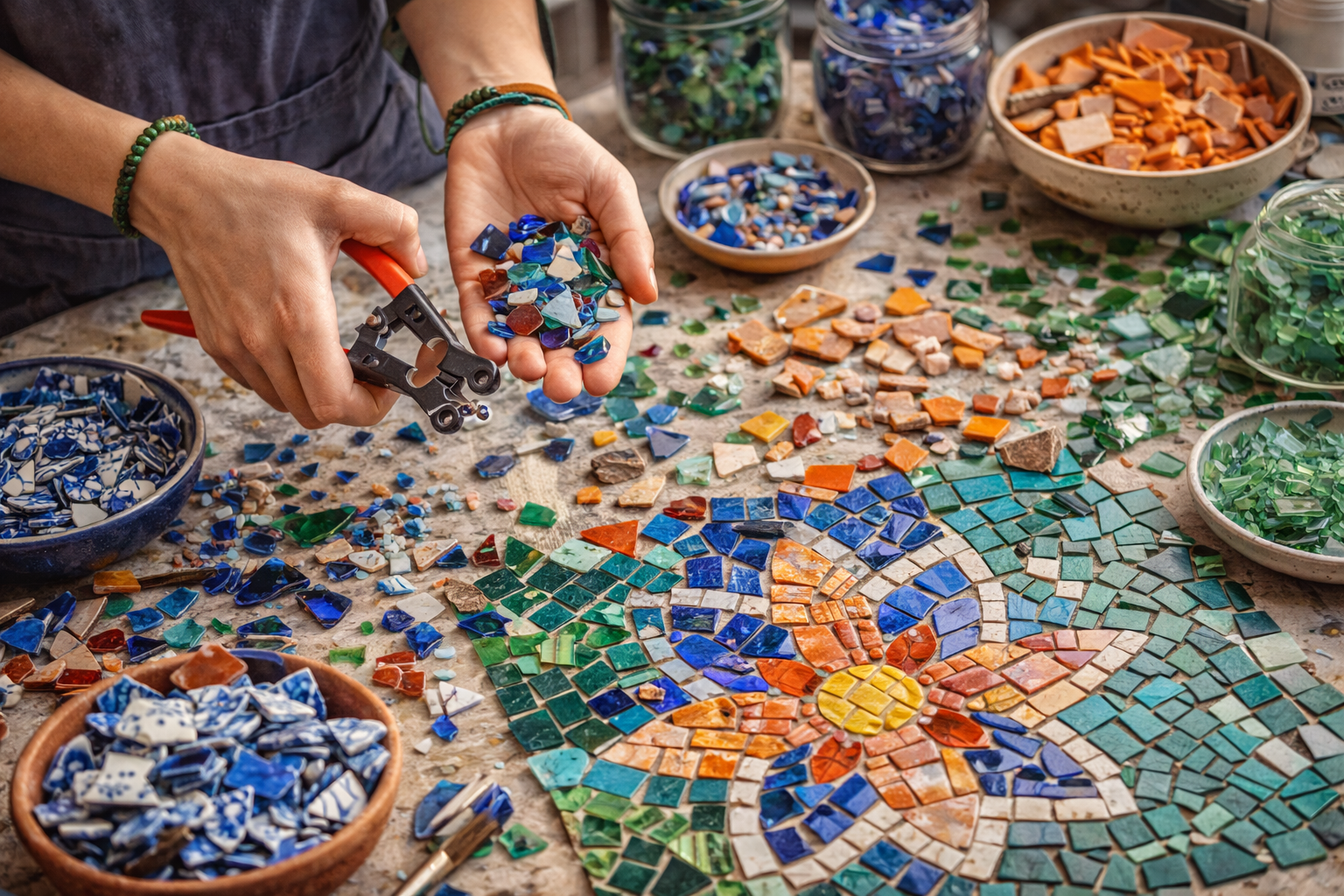
Broken glass and discarded ceramics can become beautiful mosaic art, turning forgotten fragments into something creative and completely new.
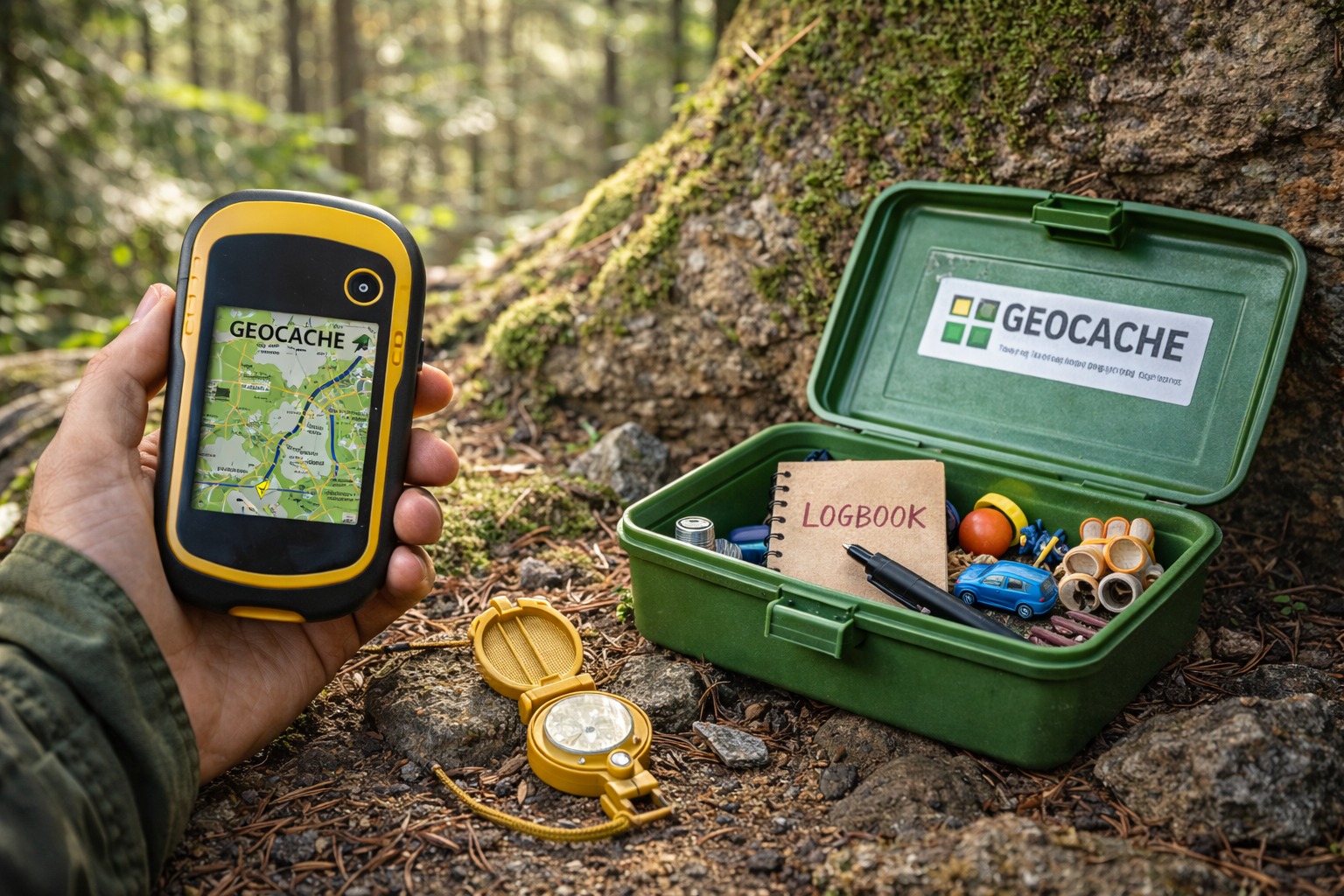
Geocaching turns the outdoors into a real-world treasure hunt, where hidden containers and GPS clues lead explorers to unexpected discoveries
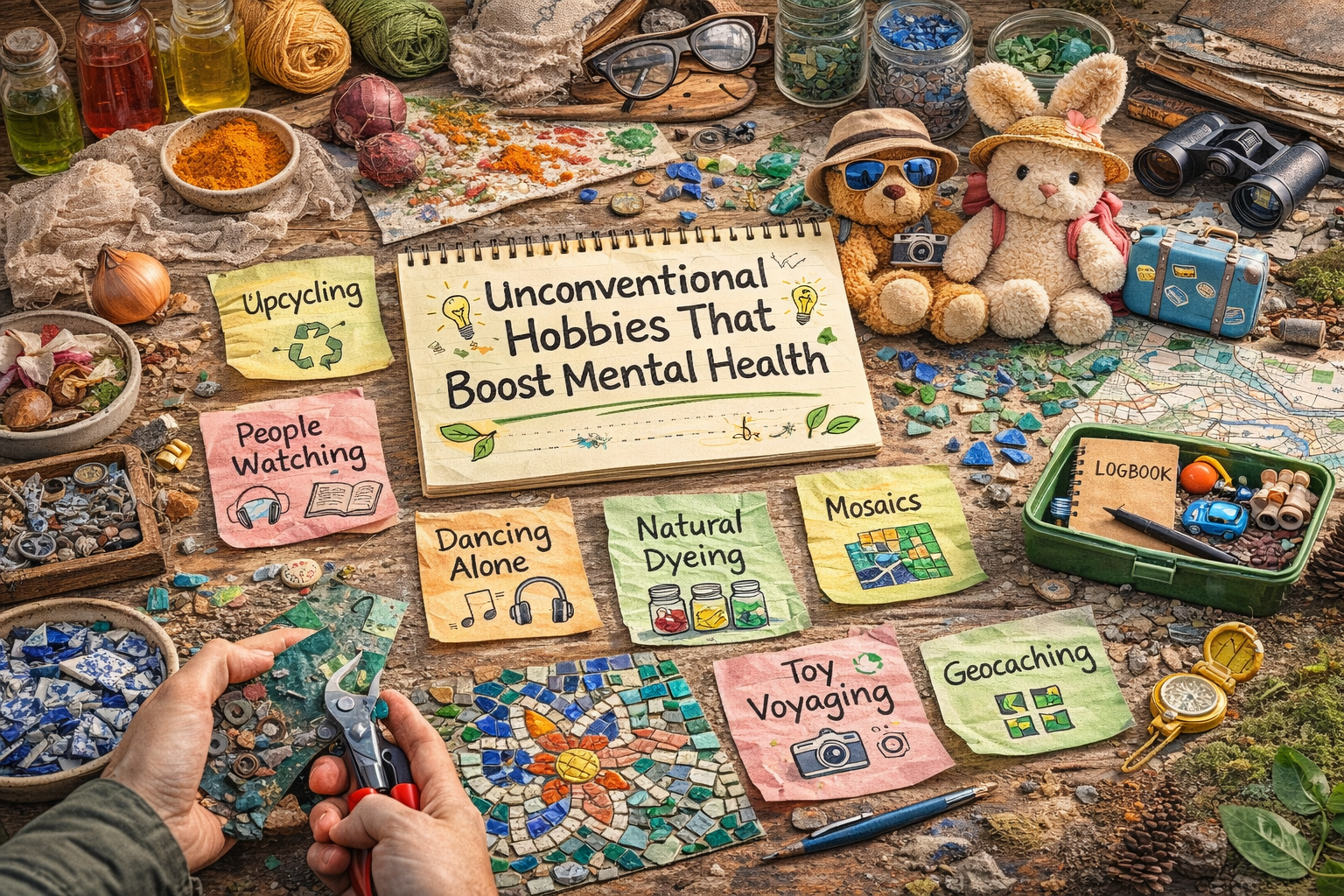
Unconventional hobbies can lift your mood and ease anxiety by delivering a real sense of achievement and skill-building. Pursuits like geocaching or shadow puppetry challenge your brain in fresh ways, sparking greater cognitive flexibility and unleashing creativity.
Many of these activities draw you into deep, focused attention, helping create a "flow state" that immersive zone where time slips away, and everyday stresses and worries fade into the background for a while.
On top of that, quirky hobbies often connect you with fellow enthusiasts who share your interests, helping to counter the isolation and burnout that can creep in.
1. Upcycle / Junk Repurposing.
Upcycling can enhance your mental well-being by fostering creative purpose and a deep sense of environmental responsibility. This hobby is all about taking stuff you'd normally toss (old jars, broken dishes, worn clothes, cardboard boxes, thrift finds, or random household junk) and giving it new life as something useful, decorative, or artistic.
The hands-on, transformative process creates a strong sense of accomplishment and watching "trash" become treasure gives a huge dopamine hit and boosts self-esteem. The repetitive tasks (sanding, gluing, painting) often lead to a flow state where time flies and worries fade, lowering stress and anxiety (similar to other crafts that reduce cortisol levels). It adds purpose through sustainability (eco-win feels meaningful), fosters mindfulness via tactile focus (textures, colors, problem-solving), and combats low mood by turning frustration (broken stuff) into joy (renewed item). Many people describe it as calming, grounding, and even cathartic, almost like emotional recycling.
2. People Watching with a Twist
This hobby is a low-key, imaginative way to observe the world around you. Find a comfortable spot like your porch, a park bench, a coffee shop, or even a mall bench and quietly watch people go about their day.
The "twist" is inventing fun and creative backstories, secret lives, or ongoing dialogues for them in your head (or jot them down if you want and turn it into a creative story). No talking to anyone, no judgment, just playful curiosity. For example: That guy rushing with a coffee? Maybe he's a secret agent late for a drop-off, or a dad inventing excuses for being late to family dinner. The woman scrolling her phone? Perhaps she's plotting her next novel or daydreaming about a vacation.
Why it's therapeutically weird and great for mental health (backed by psychology insights on observation, imagination, and storytelling), It gently shifts your focus outward from your own worries, promoting mindfulness through present-moment noticing without the pressure of formal meditation.
The storytelling part sparks creativity and cognitive flexibility, exercising your brain by building narratives, which can boost empathy (seeing the world from "other" perspectives) and reduce rumination or anxiety by creating a light, escapist mental space. Research on imaginative involvement (like expanding stories in your mind) shows it helps process emotions, recover from daily stress, and even build stronger mental models for coping, similar to how binge-watching or reading inspires retrospective imagination. It's absurdly fun and freeing (who doesn't love making up wild tales?), often leading to giggles or "aha" moments that lift mood and combat isolation by reminding you everyone's got their own hidden story.
3. Dancing Alone to Weird Playlists
Dancing alone at home is a form of self-expression that offers a unique path to emotional regulation and a significant boost to your overall well-being.
Close the door to your living room, bedroom or kitchen and crank up a playlist of deliberately bizarre, mismatched, or offbeat music and just move however your body wants. No choreography, no judgment, no audience. The "weird" part is key, skip the usual pop hits and go for eclectic, silly, or unexpected tracks that make you laugh or feel ridiculous (think polka remixes mixed with 80s synthwave, cartoon soundtracks, dramatic opera arias, heavy metal ballads, or random genre mashups). It's all about letting loose in total privacy.
Dancing to music triggers a "pleasure double play" it stimulates reward centers in the brain while activating sensory and motor areas, releasing endorphins, serotonin, and dopamine for an instant mood lift. Research shows even short sessions reduce stress hormones like cortisol, ease anxiety and depression symptoms, sometimes more effectively than walking or yoga, it can improve cognitive skills like decision-making, and boost overall emotional resilience.
The solo, unchoreographed style (like "free moving" or "conscious dance") is especially healing and it encourages self-expression, lets you release tension through wild movement, and creates a flow state where worries fade as you immerse in the rhythm. The absurdity of weird playlists adds extra giggles and playfulness, making it a quick antidote to heavy thoughts or burnout and many people report feeling lighter, more confident, and energized afterward, with benefits lasting hours or even days.
4: Natural Dyeing with Kitchen Scraps
This hobby turns everyday food waste into beautiful, eco-friendly colors for fabric, yarn, eggs, or even paper. Save scraps like onion skins (yellow/orange tones), coffee grounds (soft browns/beiges), avocado pits and skins (pinks, peaches, or mauves), beets (purples/reds), red cabbage (blues/purples depending on pH), turmeric (bright yellows), or black tea (grays/taupes).
Boil the scraps in water to extract the pigments, then soak prepped fabric in the dye bath for surprising, one-of-a-kind results. It's kitchen alchemy at its best and fun, messy, experimental, and often unpredictable in the most delightful way.
The sensory experience is watching colors slowly bloom from scraps, feeling the textures, smelling the simmering pots creates a meditative, mindful flow state that lowers stress hormones and quiets racing thoughts (similar to repetitive crafts that reduce cortisol and boost well-being).
Experimenting with unpredictable outcomes builds patience, resilience, and a sense of wonder, while the eco-aspect (reusing waste) adds purpose and accomplishment, combating feelings of burnout or low mood. Textile crafts like dyeing promote emotional regulation through creativity that many find grounding, joyful, and cathartic, with the "surprise reveal" moment delivering quick dopamine hits and a tangible win. It's especially healing for overthinkers, as the process demands gentle focus without perfection pressure.
5: Element Collecting (Periodic Table Display)
This hobby is a fascinating, nerdy quest. Collect small, safe samples of as many chemical elements from the periodic table as possible (metals, minerals, gases in sealed form, etc.), then arrange them in a custom display often a framed periodic table poster, shadow box, acrylic block, or wall-mounted grid with labels. Beginners start with everyday sources (like copper from pennies or wire, iron from steel wool), then add rarer ones via affordable online sellers in sealed vials or ampoules or even going down to the local creek or river to find them. The goal is building your own mini "universe in a frame", a tangible map of the building blocks of everything.
Collecting hobbies like this provide structure and purpose, which reduce stress and boost a sense of control/accomplishment. Each new element is a small "win" that releases dopamine and builds self-esteem. The research aspect (learning properties, hunting sources) stimulates cognitive function, enhances focus, and promotes mindfulness through curiosity and problem-solving.
It fosters awe and wonder at the natural world (the "building blocks of reality"), which combats low mood or isolation by connecting you to something bigger. Many collectors describe it as calming, grounding, and intellectually satisfying, similar to how other niche collecting reduces anxiety via routine, achievement, and gentle obsession without pressure.
6 -Toy Voyaging (or Toy Traveling)
This hobby is whimsically delightful and wonderfully low-key. Choose a small toy, often a stuffed animal, action figure, doll, Lego minifig, or even a quirky figurine and take it on mini "adventures" around your daily life. Snap photos of it "experiencing" things (sitting at your breakfast table, posing at a local landmark, peeking out a car window, or exploring your backyard), then build a fun story or travel log around its journeys.
Some people keep it personal (just for yourself), while others share on social media, a private journal, or dedicated sites like ToyVoyagers.com (where toys get "hosted" by people worldwide and track global travels via profiles and logs).
The playful narrative-building encourages mindfulness, you notice small details in your surroundings (a pretty leaf, a funny sign) that you might otherwise miss, pulling you into the present and away from overthinking or stress. Creating stories sparks imagination and creativity, which boosts dopamine and provides light escapism without heavy emotional work. The childlike absurdity (your toy "visiting" the grocery store or "hiking" your porch) often leads to genuine laughs and joy, helping release tension and combat low mood or isolation. Hobbies involving whimsy, documentation, and gentle exploration foster a sense of wonder, accomplishment (a growing photo album or log), and emotional lightness, similar to how creative play reduces anxiety and builds resilience in adults too.
7: Collecting Broken Glass or Ceramics to Make Mosaics
This hobby transforms "broken" things into something beautiful. Collect safe shards from chipped or shattered dishes, mugs, plates, or glassware (yours or from thrift stores, or even out and about walking. Creeks and rivers are a great place to go for this kind of thing), then piece them together like a puzzle to create patterned art on wood boards, coasters, trays, picture frames, or small stepping stones. The process involves arranging fragments by color/shape, gluing them down, and finishing with grout for that classic mosaic look. It's a perfect blend of upcycling and creative assembly.
Mosaic-making is a powerful mindfulness tool, the repetitive, focused tasks (sorting shards, fitting pieces, grouting) help quiet racing thoughts, reduce stress, and induce a flow state where time slips away and worries fade.
The symbolism of turning "broken" items into a cohesive, stunning whole mirrors emotional healing and renewal, offering a tangible metaphor for rebuilding after loss, anxiety, or burnout. Research on arts-based activities (including mosaics) shows they lower cortisol, improve mood, boost emotional expression, and provide a sense of accomplishment and progress. The tactile elements (cool glass, textured ceramics) stimulate calming sensory input, and the unhurried creativity redirects negative energy into positive creation, many describe it as meditative, cathartic, and deeply satisfying, especially for processing emotions non-verbally.
8. Creative Geocaching
This hobby takes standard geocaching (using a GPS app to hunt for hidden containers with logbooks) and amps it up with creativity. Focus on finding or designing "unusual" or "gadget" caches, those with clever disguises, puzzles, mechanisms, or deceptive hides instead of plain boxes.
Examples include fake electrical posts, bolt-on lamp post magnets, PVC "pipes to nowhere" you pull off walls, hollow fake birds, vanishing-act illusions, or containers that require twisting, cranking, or solving riddles to access the log. It's less about quantity of finds and more about the "aha!" thrill of spotting something cleverly hidden in plain sight.
Geocaching in general reduces stress by getting you outdoors, providing gentle exercise, and shifting focus to a goal-oriented task, lowering cortisol, boosting mood through fresh air, nature exposure, and achievement (signing a log feels like a win).
Creative variants add extra cognitive perks such as solving puzzles or spotting disguises in which this stimulates problem-solving, cognitive flexibility, and creativity, helping combat anxiety, rumination, or depression fog. The distraction and focus combo (searching while staying aware of surroundings) acts as a healthy mindfulness tool, and the novelty/surprise element delivers dopamine hits from discovery.
Many cachers (including those with PTSD or anxiety) report it calms the mind, builds resilience through overcoming "obstacles," reduces isolation (via community stories), and improves overall well-being and studies show regular participants report fewer poor mental health days.
To Conclude...
In a world that often tells us healing has to look serious such as meditation cushions, therapy journals and structured routines, these eight hobbies remind us that sometimes the most powerful medicine comes wrapped in absurdity and play.
They don’t demand much, a few kitchen scraps, a broken plate, a curious playlist, a phone camera, or a walk with your eyes open a little wider. Yet they quietly rebuild what stress and overthinking can chip away, curiosity, wonder, lightness, and the simple delight of creating something that didn’t exist before.
So go ahead and be a little weird on purpose. Your future, calmer self is already cheering you on.